
Scouts BSA Merit Badges

Merit badges are a special part of Scouting. They help Scouts learn new skills and explore different interests. Each badge focuses on one topic, like camping, art, or science. Earning badges is a fun way to learn by doing.
Scouts can choose from many badges. Some teach outdoor skills, like swimming or hiking. Others teach life skills, like cooking or first aid. There are also badges that explore jobs, hobbies, and technology. Every badge helps Scouts grow and discover what they enjoy.
To earn a badge, a Scout meets with a merit badge counselor. The counselor helps the Scout learn and checks their work. Some requirements can be done at troop meetings or camp. Others take more time and practice.
Merit badges are about more than learning facts. They teach responsibility, confidence, and effort. Each badge shows what a Scout can do when they try their best. Every badge earned is a small step toward becoming a stronger, more capable person.
- How to Earn a Merit Badge
- Scouts BSA Merit Badges Check Off Sheet: List of all merit badges to keep track of progress
- Merit Badges Required for Eagle Scout
- Elective Merit Badges
- Guide to Advancement
Use the links on this page to find help for a specific badge.
How to Earn a Merit Badge – Step by Step

Earning a merit badge is a big part of being a Scout. It helps you learn something new and gives you a goal to work toward. Every badge has a set of requirements that teach you skills, facts, and habits you can use in real life. Some badges take just a few days, while others may take weeks or months. No matter how long it takes, each one helps you grow and shows what you can do when you stay focused.
The first step is to choose a topic. There are many badges to pick from, so think about what interests you. The full list can be found below. Some are required for rank advancement, like First Aid or Citizenship in the Nation. Others are electives, like Art, Robotics, or Dog Care. You can pick one that sounds fun, or one that helps you meet a goal. If you are not sure which one to try, talk with your Scoutmaster. They can help you pick a good starting point based on your skills and goals.
Once you know what badge you want to earn, ask your Scoutmaster for a merit badge application. This is sometimes called a “blue card.” Your Scoutmaster will sign it and help you find an approved counselor for that badge. A counselor is an adult who knows about the topic and helps you learn. Your Scoutmaster might give you names of counselors or tell you how to find a list from your troop or district.
After you have a counselor’s name, contact them to let them know you want to start the badge. You can call, email, or ask your parent to help. Be polite and explain which badge you are working on. The counselor may want to meet with you before you start to go over the requirements. Always take a buddy when you meet a counselor. This can be another Scout, a parent, or a friend. Scouts never meet one-on-one with an adult.
Now it’s time to start working on the requirements. Read each one carefully and make sure you understand it. Some may ask you to research, build, visit, or try something new. Others might include writing, practicing a skill, or helping others. Go step by step, and don’t rush. If you are unsure about something, ask your counselor for help. They can explain what you need to do so you don’t have to redo anything later.
When you think you have finished the requirements, contact your counselor again. Let them know you are ready to show what you learned. Take your buddy with you to this meeting too. The counselor will talk with you about the requirements and may ask you to explain, show, or demonstrate something. If you have done everything correctly, they will sign your blue card to show that you completed the badge.
After your counselor signs the card, turn it in to your troop advancement chair or the person your Scoutmaster tells you to. They will record your work and get the badge for you. Your badge will usually be presented at your next Court of Honor. This is a special troop event where Scouts are recognized for their achievements. It is a great time to celebrate your hard work with your troop and family.
Earning a merit badge takes time, effort, and commitment. Each step teaches responsibility, planning, and follow-through. Some badges help you with rank advancement, and others let you explore hobbies or possible careers. Every badge earned shows that you worked toward a goal and achieved it. Whether it’s your first badge or your last one, you can be proud of what you learned and the skills you gained along the way.

More About Merit Badge Counselors
Merit badge counselors guide Scouts as they explore new skills and work toward completing each badge. They explain the requirements, answer questions, and help the Scout understand each step in a simple and calm way. Counselors support the Scout without taking over the work. They also make sure meetings are safe and follow all rules. This steady guidance helps Scouts feel confident as they learn at their own pace.
Counselors also help the wider unit by keeping records clear and communicating with parents and leaders. Their patience and friendly approach make the merit badge process smooth for everyone involved. When Scouts finish a badge, they see how much they have learned, and the counselor shares a kind word about their effort. This positive experience helps Scouts grow stronger and more independent as they move through the program.
Guide to Advancement
Complete specifications about the merit badge process, including details about what is acceptable for counselors, Scoutmasters, and Scouts, can be found in the Guide to Advancement.
Required Merit Badges for the Rank of Eagle Scout

What Merit Badges Are Required for Eagle Scout? For some of these Eagle required badges you may choose between two or three options. This video gives a summary of the Eagle required badges and the options available.

Camping
Time: Several months
Difficulty: Moderate
Setting: Outdoor
Best For: Scouts who enjoy camping, outdoor skills
Hands-On Level: High
Requires Camping/Travel: Yes
Eagle Required: Yes
The Camping merit badge teaches Scouts how to plan and take part in safe outdoor trips. They learn to set up tents, cook meals, and care for the environment. Scouts practice Leave No Trace and build confidence while spending time outside. They also develop teamwork and problem-solving skills during campouts.
To earn the badge, Scouts complete several overnight trips and take part in planning activities. They track their camping nights and prepare for different weather conditions. They also learn basic first aid and safety skills for outdoor situations. This helps them become more prepared, independent, and responsible while enjoying nature.

Citizenship in the Community
Time: 2–4 weeks
Difficulty: Moderate
Setting: Indoor/Outdoor
Best For: Scouts interested in community, service, government
Hands-On Level: Moderate
Eagle Required: Yes
The Citizenship in the Community merit badge helps Scouts understand how their local community works. They learn about local government, services, and groups that support others. Scouts see how decisions are made and how people can share their ideas. This helps them understand how individuals can take part and make a difference where they live.
To earn the badge, Scouts meet with community leaders and take part in activities. They attend a government meeting and learn how officials do their work. Scouts also complete service with a local group. These experiences show how teamwork and involvement help build a stronger community.

Citizenship in the Nation
Time: 2–4 weeks
Difficulty: Moderate
Setting: Indoor/Outdoor
Best For: Scouts interested in government, history, civic responsibility
Hands-On Level: Moderate
Eagle Required: Yes
The Citizenship in the Nation merit badge helps Scouts understand how the United States government works. They learn about the Constitution, the branches of government, and the rights and duties of citizens. Scouts see how laws are made and how people can take part in shaping their country.
To earn the badge, Scouts visit national landmarks or study important historical places. They read about current events and see how government decisions affect daily life. Scouts also study key speeches and documents. This helps them understand leadership, freedom, and their role as citizens.

Citizenship in the World
Time: 2–4 weeks
Difficulty: Moderate
Setting: Indoor, community visits
Best For: Scouts interested in global issues, cultures, world affairs
Hands-On Level: Low, Moderate
Eagle Required: Yes
The Citizenship in the World merit badge helps Scouts understand how countries and people are connected. They learn about world organizations, international laws, and how nations work together. Scouts also explore different cultures, governments, and traditions. This helps them see how actions in one place can affect people around the world.
To earn the badge, Scouts study current global issues and how countries cooperate to solve problems. They learn about international events and how leaders make decisions. Scouts also explore ways to show respect for other cultures. This helps them understand their role in promoting peace and cooperation.

Communication
Time: 2–4 weeks
Difficulty: Moderate
Setting: Indoor, group settings
Best For: Scouts interested in speaking, writing, leadership
Hands-On Level: Moderate
Eagle Required: Yes
The Communication merit badge helps Scouts learn how to share ideas clearly. They practice speaking, writing, and listening. Scouts take part in discussions and learn how to express their thoughts with respect. These skills help them become better leaders and work well with others.
To earn the badge, Scouts complete activities like giving speeches, writing, and leading discussions. They may plan a meeting or take part in an interview. Scouts also learn how to use media responsibly. These experiences build confidence and help them communicate clearly in different situations.

Cooking
Time: 1–3 months
Difficulty: Moderate
Setting: Indoor kitchen, outdoor cooking
Best For: Scouts interested in cooking, nutrition, life skills
Hands-On Level: High
Requires Camping/Travel: Yes
Eagle Required: Yes
The Cooking merit badge teaches Scouts how to plan and prepare healthy meals. They learn about nutrition, food safety, and how to use cooking tools. Scouts cook in different settings, including at home and outdoors. This helps them build skills they can use every day.
To earn the badge, Scouts plan menus, shop for food, and prepare meals. They cook for themselves and others in a kitchen and outside. Scouts practice measuring, following recipes, and handling food safely. These activities help them become more confident and responsible in cooking.

Cycling
Time: 1–3 months
Difficulty: Challenging
Setting: Outdoor roads, trails
Best For: Scouts who enjoy biking, fitness, outdoor activity
Hands-On Level: High
Requires Camping/Travel: Yes
Eagle Required: Yes*
*Either the Cycling merit badge OR the Hiking merit badge OR the Swimming merit badge is required for the rank of Eagle Scout. Scouts who earn more than one of these badges may count the additional badges as electives.
The Cycling merit badge teaches Scouts how to ride safely and care for their bikes. They learn road rules, hand signals, and how to handle different riding conditions. Scouts also learn basic maintenance like fixing a flat tire and checking brakes. This helps them stay safe and confident while riding.
To earn the badge, Scouts complete several long-distance rides. They plan routes, check equipment, and prepare for safety. Scouts learn how to pace themselves and stay hydrated during rides. These activities build strength, skill, and confidence while helping them stay active.
Emergency Preparedness
Time: 2–4 weeks
Difficulty: Moderate
Setting: Indoor, community activities
Best For: Scouts interested in safety, planning, helping others
Hands-On Level: Moderate
Eagle Required: Yes*
*Either the Emergency Preparedness merit badge OR the Lifesaving merit badge is required for the rank of Eagle Scout. Scouts who earn both badges may count the second badge as an elective.
The Emergency Preparedness merit badge teaches Scouts how to be ready for unexpected events. They learn how to make plans, build emergency kits, and respond in a crisis. Scouts practice first aid, communication, and leadership. This helps them stay calm and take action when needed.
To earn the badge, Scouts complete activities that show they can plan for emergencies. They learn what to do during fires, storms, and accidents. Scouts may take part in community safety programs and discuss ways to prevent emergencies. These experiences help them prepare and respond with confidence.

Environmental Science
Time: 2–6 weeks
Difficulty: Moderate, Challenging
Setting: Outdoor observation, indoor study
Best For: Scouts interested in nature, science, environment
Hands-On Level: Moderate
Eagle Required: Yes*
*Either Sustainability merit badge or Environmental Science merit badge is required for the rank of Eagle. Scouts who earn both merit badges may count the second as an elective.
The Environmental Science merit badge helps Scouts understand how the natural world works. They study air, water, soil, and wildlife. Scouts learn how human activity can affect the environment. This helps them see why it is important to protect natural resources.
To earn the badge, Scouts complete experiments and make observations outdoors. They study how ecosystems stay in balance and what happens when that balance changes. Scouts also explore ways to reduce waste and use resources wisely. These activities help them understand how their choices affect the environment.

Family Life
Time: 3 months
Difficulty: Moderate
Setting: Home
Best For: Scouts interested in family, responsibility, life skills
Hands-On Level: Moderate
Eagle Required: Yes
The Family Life merit badge helps Scouts understand how families work together. They learn about roles, responsibilities, and good communication at home. Scouts talk about respect, trust, and helping others. This helps them see how each person supports the family.
To earn the badge, Scouts complete projects that help their family. They plan and carry out chores or activities over time. Scouts also set goals and work on improving communication. These activities help them build responsibility and stronger relationships at home.

First Aid
Time: 2–4 weeks
Difficulty: Moderate
Setting: Indoor, outdoor practice
Best For: Scouts interested in safety, emergency response, helping others
Hands-On Level: High
Eagle Required: Yes
The First Aid merit badge teaches Scouts how to care for injuries and respond in emergencies. They learn how to treat cuts, burns, bites, and broken bones. Scouts also learn when to call for help and how to stay calm. This helps them be ready to act when someone is hurt.
To earn the badge, Scouts practice hands-on skills and learn how to use a first aid kit. They study how to prevent accidents at home and outdoors. Scouts also review steps for different emergency situations. These activities help them respond quickly and safely when needed.

Hiking
Time: 1–3 months
Difficulty: Challenging
Setting: Outdoor trails
Best For: Scouts who enjoy hiking, endurance, outdoor adventure
Hands-On Level: High
Requires Camping/Travel: Yes
Eagle Required: Yes*
Either the Cycling merit badge OR the Hiking merit badge OR the Swimming merit badge is required for the rank of Eagle Scout. Scouts who earn more than one of these badges may count the additional badges as electives.
The Hiking merit badge teaches Scouts how to plan and complete long hikes safely. They learn about proper clothing, footwear, and gear. Scouts also study maps, weather, and how to stay hydrated. This helps them prepare for safe and successful hikes.
To earn the badge, Scouts complete several hikes of different distances. They plan routes, pack supplies, and follow safety rules. Scouts learn how to pace themselves and watch for hazards. These activities build endurance, confidence, and strong outdoor skills.

Lifesaving
Time: 2–4 weeks
Difficulty: Challenging
Setting: Pool, waterfront
Best For: Scouts who are strong swimmers, interested in water safety
Hands-On Level: High
Eagle Required: Yes*
*Either the Emergency Preparedness merit badge OR the Lifesaving merit badge is required for the rank of Eagle Scout. Scouts who earn both badges may count the second badge as an elective.
The Lifesaving merit badge teaches Scouts how to help people in water emergencies. They learn swimming and rescue skills that can save lives. Scouts practice reaching, throwing, and swimming rescues while staying safe. This helps them act quickly and think clearly in the water.
To earn the badge, Scouts complete swimming tests and practice rescue methods. They learn how to recognize signs of trouble and help without putting themselves at risk. Scouts also use rescue equipment and practice different situations. These activities build confidence and teach them how to respond safely.

Personal Fitness
Time: 3 months
Difficulty: Moderate
Setting: Home, fitness areas
Best For: Scouts interested in fitness, health, goal setting
Hands-On Level: Moderate
Eagle Required: Yes
The Personal Fitness merit badge teaches Scouts how to take care of their bodies and minds. They learn about exercise, nutrition, and healthy habits. Scouts set goals and track their progress over time. This helps them build routines that support overall health.
To earn the badge, Scouts create and follow a fitness plan. They record their activity and measure improvement. Scouts also learn about stress, sleep, and avoiding harmful habits. These activities help them develop discipline and make good choices for long-term health.

Personal Management
Time: 3 months
Difficulty: Moderate
Setting: Home, everyday activities
Best For: Scouts interested in money, planning, responsibility
Hands-On Level: Low, Moderate
Eagle Required: Yes
The Personal Management merit badge teaches Scouts how to manage time and money. They learn how to set goals, make budgets, and plan ahead. Scouts track spending and see how choices affect their finances. This helps them build good habits for daily life.
To earn the badge, Scouts keep records of income, expenses, and time use. They set financial and personal goals and work toward them over time. Scouts also learn about saving, spending, and making careful decisions. These activities help them stay organized and take responsibility for their future.

Sustainability
Time: 2–6 weeks
Difficulty: Moderate
Setting: Home, community
Best For: Scouts interested in environment, conservation, daily habits
Hands-On Level: Moderate
Eagle Required: Yes*
*Either Sustainability merit badge or Environmental Science merit badge is required for the rank of Eagle. Scouts who earn both badges may count the second badge as an elective.
The Sustainability merit badge teaches Scouts how to care for the planet through daily choices. They learn about energy, water, food, and waste. Scouts see how their actions affect the environment and other people. This helps them understand how to live in a way that protects resources over time.
To earn the badge, Scouts track how they use resources at home. They look for ways to reduce waste, save energy, and reuse materials. Scouts also learn about community and global efforts to protect the environment. These activities help them make practical changes that support long-term care for the earth.

Swimming
Time: 2–4 weeks
Difficulty: Moderate
Setting: Pool, waterfront
Best For: Scouts who enjoy swimming, water activities
Hands-On Level: High
Eagle Required: Yes*
*Either the Cycling merit badge OR the Hiking merit badge OR the Swimming merit badge is required for the rank of Eagle Scout. Scouts who earn more than one of these badges may count the additional badges as electives.
The Swimming merit badge teaches Scouts how to be safe and confident in the water. They learn swimming strokes, floating, and how to stay calm in deep water. Scouts also learn safety rules and how to prevent accidents. This helps them build skill and confidence while swimming.
To earn the badge, Scouts complete swimming tests that show control and endurance. They practice different strokes and distance swimming. Scouts also learn basic rescue methods and how to help others safely. These activities help them stay active and make safe choices in the water.
Elective Merit Badges

American Business
Time: 2–4 weeks
Difficulty: Moderate
Setting: Indoor, community research
Best For: Scouts interested in business, entrepreneurship, careers
Hands-On Level: Low, Moderate
Eagle Required: No
The American Business merit badge teaches Scouts how businesses work and how they affect daily life. They learn about supply and demand, marketing, and how companies create and sell products. Scouts also see how business decisions impact communities and jobs.
To earn the badge, Scouts study how a business operates and track its progress. They may explore the stock market or create a small business project. Scouts also learn about honesty and responsibility in business. These activities help them understand how planning and good decisions lead to success.

American Cultures
Time: 2–4 weeks
Difficulty: Moderate
Setting: Indoor, community activities
Best For: Scouts interested in culture, history, people
Hands-On Level: Low, Moderate
Eagle Required: No
The American Cultures merit badge teaches Scouts about the many cultures in the United States. They learn how different groups have shaped the nation’s history, traditions, and values. Scouts explore customs, foods, and celebrations from a variety of backgrounds. This helps them understand and respect diversity.
To earn the badge, Scouts study different cultural groups and learn from people in their community. They may attend events or visit places that reflect these cultures. Scouts also discuss how understanding and respect help people live and work together. These activities help them appreciate the contributions of many cultures.

American Heritage
Time: 2–4 weeks
Difficulty: Moderate
Setting: Indoor, historical sites
Best For: Scouts interested in history, American culture, citizenship
Hands-On Level: Low, Moderate
Eagle Required: No
The American Heritage merit badge teaches Scouts about the people and events that shaped the United States. They learn how ideas like freedom and hard work helped build the nation. Scouts explore important moments in history and how they still affect life today.
To earn the badge, Scouts research historical topics and visit museums or landmarks. They study speeches, songs, and symbols that reflect American values. Scouts also learn how to preserve history and honor those who came before them. These activities help them understand the nation’s story and their place in it.

American Indian Culture
Time: 2–4 weeks
Difficulty: Moderate
Setting: Indoor, cultural activities
Best For: Scouts interested in history, culture, crafts
Hands-On Level: Moderate
Eagle Required: No
The American Indian Culture merit badge teaches Scouts about the cultures and traditions of Native American peoples. They learn about daily life, customs, and history. Scouts also see how these traditions have been passed down over time.
To earn the badge, Scouts create crafts and study cultural practices. They may learn about symbols, stories, and ceremonies. Scouts also learn the importance of respect and understanding. These activities help them appreciate the history and traditions of Native cultures.
This badge was formerly called Indian Lore merit badge.

American Labor
Time: 2–4 weeks
Difficulty: Moderate
Setting: Indoor, workplace visits
Best For: Scouts interested in jobs, history, workers’ rights
Hands-On Level: Low, Moderate
Eagle Required: No
The American Labor merit badge teaches Scouts about workers and how jobs shape daily life. They learn about labor unions, workplace laws, and fair treatment. Scouts see how different jobs support the economy and keep communities running.
To earn the badge, Scouts study how working conditions have changed over time. They may visit workplaces or talk with workers about their jobs. Scouts also learn about safety, wages, and how workers and employers solve problems. These activities help them understand the value of work and cooperation.

Animal Science
Time: 2–4 weeks
Difficulty: Moderate
Setting: Indoor study, farm visits
Best For: Scouts interested in animals, farming, agriculture
Hands-On Level: Moderate
Eagle Required: No
The Animal Science merit badge teaches Scouts how animals are raised and cared for in agriculture. They learn about feeding, breeding, and keeping animals healthy. Scouts study how animals are used to provide food and other products. This helps them understand the role of animals in daily life.
To earn the badge, Scouts visit farms or research animal care practices. They complete activities that show how to manage and care for animals properly. Scouts also learn about careers related to animal science. These activities help them understand responsibility and respect for animals.

Animation
Time: 2–4 weeks
Difficulty: Moderate
Setting: Indoor, computer work
Best For: Scouts interested in art, storytelling, technology
Hands-On Level: Moderate
Eagle Required: No
The Animation merit badge teaches Scouts how to create moving images from drawings or digital designs. They learn about storytelling, character design, and how motion is created frame by frame. Scouts explore different types of animation and how small changes create movement.
To earn the badge, Scouts create their own short animation projects. They plan ideas, design characters, and test how motion works. Scouts also study how animation is used in films and media. These activities help them build creativity and understand how animation is made.

Archaeology
Time: 2–4 weeks
Difficulty: Moderate
Setting: Outdoor sites, indoor research
Best For: Scouts interested in history, artifacts, discovery
Hands-On Level: Moderate
Eagle Required: No
The Archaeology merit badge teaches Scouts how people study the past through objects left behind. They learn how artifacts are found, recorded, and protected. Scouts see how tools, buildings, and other items show how people lived long ago.
To earn the badge, Scouts take part in activities that involve studying or observing artifacts. They may visit sites or learn proper methods for handling and recording findings. Scouts also learn why it is important to protect historical places. These activities help them understand how the past is preserved and studied.

Artificial Intelligence
Time: 2–4 weeks
Difficulty: Moderate
Setting: Indoor, computer work
Best For: Scouts interested in technology, coding, future careers
Hands-On Level: Moderate
Eagle Required: No
The Artificial Intelligence merit badge teaches Scouts how computers can learn from data and make decisions. They explore how AI is used in daily life, such as voice assistants and online tools. Scouts learn how systems recognize patterns and solve problems.
To earn the badge, Scouts complete activities that show how AI works. They may design simple programs or study real examples. Scouts also learn about ethics, privacy, and responsible use of technology. These activities help them understand how AI affects people and society.

Archery
Time: 2–4 weeks
Difficulty: Moderate
Setting: Outdoor range, indoor range
Best For: Scouts interested in shooting sports, focus, precision
Hands-On Level: High
Eagle Required: No
The Archery merit badge teaches Scouts how to handle and shoot a bow safely. They learn about equipment, arrows, and proper form. Scouts practice aiming, drawing, and releasing with control. This helps them build focus and coordination.
To earn the badge, Scouts spend time practicing on a range under supervision. They learn range safety and how to care for their equipment. Scouts also complete shooting requirements to show accuracy. These activities help them improve skill and confidence through practice.

Architecture
Time: 2–4 weeks
Difficulty: Moderate
Setting: Indoor, site visits
Best For: Scouts interested in design, buildings, planning
Hands-On Level: Moderate
Eagle Required: No
The Architecture merit badge teaches Scouts how buildings are planned and designed. They learn how architects create spaces that are safe, useful, and appealing. Scouts see how design affects how people live and work.
To earn the badge, Scouts study different types of buildings and how they are constructed. They create drawings or models to show their ideas. Scouts may visit sites or talk with professionals. These activities help them understand how planning and design turn ideas into real structures.

Art
Time: 2–4 weeks
Difficulty: Easy, Moderate
Setting: Indoor
Best For: Scouts interested in drawing, painting, creativity
Hands-On Level: High
Eagle Required: No
The Art merit badge teaches Scouts how to express ideas through drawing, painting, and design. They learn about color, shape, and different techniques. Scouts explore how art can share messages and tell stories.
To earn the badge, Scouts create their own artwork using different materials. They study artists and styles to understand how art has developed. Scouts may visit museums or review works of art. These activities help them build creativity and skill while learning how art communicates ideas.
This merit badge focuses on two-dimensional art. There is also a merit badge for Sculpting.

Astronomy
Time: 2–4 weeks
Difficulty: Moderate
Setting: Outdoor night observation, indoor study
Best For: Scouts interested in space, stars, science
Hands-On Level: Moderate
Eagle Required: No
The Astronomy merit badge teaches Scouts about the night sky and objects in space. They learn to identify constellations, track the moon, and observe planets. Scouts also learn how telescopes work and how scientists study space.
To earn the badge, Scouts observe the sky and record what they see over time. They may use a telescope or visit a planetarium. Scouts also learn about space travel and satellites. These activities help them understand how the universe works and how it is studied.

Athletics
Time: At least 3 months
Difficulty: Moderate
Setting: Outdoor fields, indoor gym
Best For: Scouts interested in sports, fitness, competition
Hands-On Level: High
Eagle Required: No
The Athletics merit badge teaches Scouts how to improve fitness through sports and exercise. They learn about training, goal setting, and building strength and endurance. Scouts practice skills like running, jumping, and throwing.
To earn the badge, Scouts complete fitness tests and track their progress over time. They choose activities and work to improve their performance. Scouts also learn about safety, nutrition, and injury prevention. These activities help them build healthy habits and confidence.

Automotive Maintenance
Time: 2–4 weeks
Difficulty: Moderate
Setting: Indoor garage, workshop
Best For: Scouts interested in cars, mechanics, hands-on work
Hands-On Level: High
Eagle Required: No
The Automotive Maintenance merit badge teaches Scouts how vehicles work and how to care for them. They learn about engines, brakes, tires, and other key parts. Scouts see how regular maintenance keeps a car safe and reliable.
To earn the badge, Scouts inspect vehicles and complete basic maintenance tasks. They may check fluids, change a tire, or replace simple parts. Scouts also learn how to spot problems and understand warning signs. These activities help them build useful skills and confidence in caring for a vehicle.

Aviation
Time: 2–4 weeks
Difficulty: Moderate
Setting: Indoor study, airport visits
Best For: Scouts interested in flying, planes, technology
Hands-On Level: Moderate
Eagle Required: No
The Aviation merit badge teaches Scouts how airplanes fly and how aviation works. They learn about the forces of flight, parts of an aircraft, and how pilots control planes. Scouts also see how aviation connects people and goods.
To earn the badge, Scouts study flight basics and aviation systems. They may visit an airport or talk with pilots. Scouts also learn about weather, navigation, and safety. These activities help them understand how flying works and how aviation is used.

Backpacking
Time: 3-6 months
Difficulty: Challenging
Setting: Outdoor backcountry
Best For: Scouts who enjoy hiking, camping, outdoor adventure
Hands-On Level: High
Requires Camping/Travel: Yes
Eagle Required: No
The Backpacking merit badge teaches Scouts how to plan and take longer trips while carrying their gear. They learn how to pack, choose equipment, and cook simple meals on the trail. Scouts also study safety, navigation, and how to care for the environment.
To earn the badge, Scouts complete several multi-day trips and keep records of their hikes. They plan routes, pack supplies, and prepare for changing weather. Scouts practice Leave No Trace and work as a team. These activities help them build independence and confidence in the outdoors.

Basketry
Time: 2–4 weeks
Difficulty: Easy, Moderate
Setting: Indoor
Best For: Scouts interested in crafts, hands-on projects
Hands-On Level: High
Eagle Required: No
The Basketry merit badge teaches Scouts how to weave useful items from simple materials. They learn basic weaving techniques and how different materials are used. Scouts create projects like baskets or mats by hand.
To earn the badge, Scouts complete several weaving projects that show their skills. They practice forming patterns and working carefully with materials. Scouts also learn about how basket making has been used in different cultures. These activities help them build patience and attention to detail.

Bird Study
Time: 2–4 weeks
Difficulty: Moderate
Setting: Outdoor observation, indoor study
Best For: Scouts interested in birds, nature, wildlife
Hands-On Level: Moderate
Eagle Required: No
The Bird Study merit badge teaches Scouts how to observe and identify birds. They learn about bird behavior, habitats, and migration. Scouts also study what birds eat and how they build nests. This helps them understand the role birds play in nature.
To earn the badge, Scouts spend time watching birds in their natural habitats. They record the species they see and learn how to use field guides or binoculars. Scouts may also build feeders or nesting boxes. These activities help them improve observation skills and learn about wildlife.

Bugling
Time: 2–4 weeks
Difficulty: Moderate
Setting: Indoor practice, outdoor use
Best For: Scouts interested in music, leadership, tradition
Hands-On Level: High
Eagle Required: No
The Bugling merit badge teaches Scouts how to play the bugle and use it in Scouting. They learn bugle calls that signal parts of the day like meals or lights out. Scouts practice breath control, tone, and timing.
To earn the badge, Scouts learn and perform several bugle calls clearly. They practice regularly and may play at troop events or camp. Scouts also learn how to care for the instrument. These activities help them build skill and confidence while serving their unit.
In 2010, Scouting America announced that it was going to discontinue the Bugling merit badge and merge it into the Music because these merit badges both focus on instruments. The response to this announcement was so overwhelming that Scouting America reversed this decision and Bugling remains a separate badge.

Canoeing
Time: 2–4 weeks
Difficulty: Moderate
Setting: Calm water, lakes
Best For: Scouts interested in paddling, water activities, teamwork
Hands-On Level: High
Eagle Required: No
The Canoeing merit badge teaches Scouts how to handle a canoe safely on the water. They learn basic strokes, how to steer, and how to work with a partner. Scouts also learn how balance and movement affect the canoe.
To earn the badge, Scouts practice paddling skills on calm water. They learn safety rules, how to wear a life jacket, and what to do if a canoe tips over. Scouts also plan simple trips and learn how to stay safe in different conditions. These activities help them build confidence and teamwork on the water.

Chemistry
Time: 2–4 weeks
Difficulty: Moderate
Setting: Indoor lab, classroom
Best For: Scouts interested in science, experiments
Hands-On Level: Moderate
Eagle Required: No
The Chemistry merit badge teaches Scouts how substances combine and change. They learn about atoms, molecules, and chemical reactions. Scouts see how chemistry is part of everyday life, like cooking and cleaning.
To earn the badge, Scouts complete safe experiments and observe results. They measure materials, record data, and learn what causes changes. Scouts also explore careers that use chemistry. These activities help them understand how science explains the world around them.

Chess
Time: 2–4 weeks
Difficulty: Easy, Moderate
Setting: Indoor
Best For: Scouts interested in strategy, thinking, games
Hands-On Level: Moderate
Eagle Required: No
The Chess merit badge teaches Scouts how to play and understand the game of chess. They learn the rules, how each piece moves, and basic strategies. Scouts practice thinking ahead and planning moves.
To earn the badge, Scouts play several games and study tactics and openings. They learn about checkmate, stalemate, and how to finish a game. Scouts may also teach others to play. These activities help them build focus, patience, and problem-solving skills.

Climbing
Time: 2–4 weeks
Difficulty: Challenging
Setting: Climbing gym, outdoor rock
Best For: Scouts interested in climbing, adventure, physical challenge
Hands-On Level: High
Eagle Required: No
The Climbing merit badge teaches Scouts how to climb safely using proper equipment and techniques. They learn about ropes, knots, harnesses, and safety checks. Scouts practice climbing and rappelling while staying secure.
To earn the badge, Scouts train with qualified instructors and complete climbs. They learn safety commands and how to check gear before climbing. Scouts also study how conditions like weather and rock surfaces affect safety. These activities help them build strength, confidence, and trust in their team.

Coin Collecting
Time: 2–4 weeks
Difficulty: Easy, Moderate
Setting: Indoor
Best For: Scouts interested in history, collecting, detail work
Hands-On Level: Low, Moderate
Eagle Required: No
The Coin Collecting merit badge teaches Scouts about coins and what they can show about history. They learn how coins are made and what makes some rare or valuable. Scouts study designs, symbols, and coins from different places.
To earn the badge, Scouts build and organize their own coin collections. They learn how to handle and store coins safely. Scouts also study grading, mint marks, and how to identify coins. These activities help them build observation skills and learn about history through collecting.
There is also a Stamp Collecting merit badge and a general Collections badge.

Collections
Time: 2–4 weeks
Difficulty: Easy
Setting: Indoor
Best For: Scouts interested in hobbies, organizing, collecting
Hands-On Level: Low, Moderate
Eagle Required: No
The Collections merit badge teaches Scouts how to gather and organize items they enjoy. They learn what makes a collection meaningful and how to care for it. Scouts also learn how collections can reflect history or personal interests.
To earn the badge, Scouts build or expand a collection of their choice. They organize and record details about each item. Scouts also share their collection and explain what they have learned. These activities help them develop organization and attention to detail.

Competitive Gaming Merit Badge
Time: 4–8 weeks
Difficulty: moderate
Setting: mostly indoor, online, home or troop
Best For: Scouts interested in gaming, esports, computers, and technology
Hands-On Level: moderate
Research Level: high
Tracking Required: 3 weeks
Eagle Required: no
The Competitive Gaming merit badge covers video game history, esports, online safety, healthy habits, and gaming technology. Scouts compare game types, study esports, and use the Scout Oath and Law to guide online behavior.
Scouts also track gaming, exercise, and sleep. They compare gaming platforms, design a gaming PC, practice teamwork, and explore college esports programs and careers in the gaming industry.

Composite Materials
Time: 2–4 weeks
Difficulty: Moderate
Setting: Indoor workshop, lab
Best For: Scouts interested in engineering, materials, building
Hands-On Level: High
Eagle Required: No
The Composite Materials merit badge teaches Scouts how materials can be combined to make strong, lightweight products. They learn about materials like fiberglass and carbon fiber. Scouts see how these materials are used in things like planes, cars, and sports equipment.
To earn the badge, Scouts complete hands-on projects using fibers and resins. They learn how to shape and test materials safely. Scouts also study how composites are designed for strength and performance. These activities help them understand how materials are used in modern design and engineering.

Crime Prevention
Time: 2–4 weeks
Difficulty: Moderate
Setting: Indoor, community activities
Best For: Scouts interested in safety, community service, law enforcement
Hands-On Level: Low, Moderate
Eagle Required: No
The Crime Prevention merit badge teaches Scouts how to help make their communities safer. They learn about causes of crime and how people can work together to prevent it. Scouts also study the roles of police, courts, and citizens.
To earn the badge, Scouts take part in activities that focus on safety and awareness. They may visit law enforcement agencies or learn from community programs. Scouts also create plans to reduce crime at home or in their neighborhood. These activities help them understand how to take action to improve safety.

Cybersecurity
Time: 2–4 weeks
Difficulty: Moderate
Setting: Indoor, computer use
Best For: Scouts interested in technology, online safety, computers
Hands-On Level: Moderate
Eagle Required: No
The Cybersecurity merit badge teaches Scouts how to stay safe online. They learn how to protect personal information and use strong passwords. Scouts also study how networks work and how cyber threats affect people and organizations.
To earn the badge, Scouts complete activities that protect devices and data. They learn how to spot scams and unsafe websites. Scouts also study privacy, laws, and responsible use of technology. These activities help them use the internet safely and make smart choices online.

Dentistry
Time: 2–4 weeks
Difficulty: Easy, Moderate
Setting: Indoor, dental office visit
Best For: Scouts interested in health, science, careers
Hands-On Level: Low, Moderate
Eagle Required: No
The Dentistry merit badge teaches Scouts how to care for their teeth and gums. They learn about tooth structure, cavities, and how to prevent problems. Scouts also see how daily habits affect oral health.
To earn the badge, Scouts visit a dental office or learn from a dental professional. They study tools, X-rays, and common treatments. Scouts also learn about careers in dentistry. These activities help them build healthy habits and understand dental care.

Digital Technology
Time: 2–4 weeks
Difficulty: Moderate
Setting: Indoor, computer use
Best For: Scouts interested in computers, technology, digital skills
Hands-On Level: Moderate
Eagle Required: No
The Digital Technology merit badge teaches Scouts how computers and devices are used to create and share information. They learn about hardware, software, and how data moves through networks. Scouts see how technology is part of daily life.
To earn the badge, Scouts complete activities using digital tools. They manage files, use the internet safely, and protect personal information. Scouts also explore careers in technology. These activities help them build practical skills and use technology responsibly.

Disabilities Awareness
Time: 2–4 weeks
Difficulty: Easy, Moderate
Setting: Indoor, community activities
Best For: Scouts interested in service, inclusion, understanding others
Hands-On Level: Low, Moderate
Eagle Required: No
The Disabilities Awareness merit badge teaches Scouts how people with disabilities live and take part in their communities. They learn about different types of disabilities and the challenges people may face. Scouts also see how strengths and abilities vary from person to person.
To earn the badge, Scouts learn from people with disabilities or visit programs that support them. They study ways to make spaces and activities more accessible. Scouts also take part in service that supports inclusion. These activities help them build respect and understanding for others.

Dog Care
Time: 2 month
Difficulty: Easy, Moderate
Setting: Home, indoor, outdoor
Best For: Scouts interested in pets, animals, responsibility
Hands-On Level: High
Eagle Required: No
The Dog Care merit badge teaches Scouts how to care for a dog. They learn about feeding, grooming, training, and keeping a dog healthy. Scouts also learn how dogs behave and how to meet their needs.
To earn the badge, Scouts care for a dog over time and complete daily tasks. They learn about exercise, health care, and preventing problems. Scouts also explore careers related to animal care. These activities help them build responsibility and respect for animals.

Drafting
Time: 2–4 weeks
Difficulty: Moderate
Setting: Indoor, classroom, computer work
Best For: Scouts interested in design, engineering, drawing
Hands-On Level: Moderate
Eagle Required: No
The Drafting merit badge teaches Scouts how to make clear technical drawings. They learn how to use tools and read plans. Scouts see how drawings are used to design buildings and machines.
To earn the badge, Scouts create drawings by hand or using computer software. They practice making accurate lines, shapes, and measurements. Scouts may design plans for a project. These activities help them understand how ideas are turned into detailed plans.

Electricity
Time: 2–4 weeks
Difficulty: Moderate
Setting: Indoor, workshop
Best For: Scouts interested in science, wiring, how things work
Hands-On Level: High
Eagle Required: No
The Electricity merit badge teaches Scouts how electrical energy works. They learn about circuits, conductors, and safety rules. Scouts see how electricity is used in homes and devices.
To earn the badge, Scouts build simple circuits and complete projects. They may wire a device or test batteries. Scouts also learn how to read diagrams and use tools safely. These activities help them understand how electricity is produced and used.

Electronics
Time: 2–4 weeks
Difficulty: Moderate
Setting: Indoor, workshop, lab
Best For: Scouts interested in circuits, technology, engineering
Hands-On Level: High
Eagle Required: No
The Electronics merit badge teaches Scouts how electronic devices work. They learn about parts like resistors, capacitors, and transistors. Scouts see how circuits control sound, light, and movement.
To earn the badge, Scouts build and test simple circuits. They use tools or kits to create working projects. Scouts also learn how signals move through circuits and how to fix problems. These activities help them understand how electronics are used in everyday devices.

Energy
Time: 2–4 weeks
Difficulty: Moderate
Setting: Indoor study, home activities
Best For: Scouts interested in energy use, environment, science
Hands-On Level: Low, Moderate
Eagle Required: No
The Energy merit badge teaches Scouts about different types of energy and how they are used. They learn why energy is important and how it affects daily life. Scouts also see how using energy wisely can reduce waste.
To earn the badge, Scouts study how energy is produced and used at home and in the community. They track energy use and look for ways to save it. Scouts also learn how energy choices affect the environment. These activities help them make better decisions about energy use.

Engineering
Time: 2–4 weeks
Difficulty: Moderate
Setting: Indoor, workshop, project work
Best For: Scouts interested in building, design, problem solving
Hands-On Level: High
Eagle Required: No
The Engineering merit badge teaches Scouts how engineers solve problems using science and math. They learn about different types of engineering and how ideas are tested and improved. Scouts see how design and planning are used to create useful solutions.
To earn the badge, Scouts complete projects that involve designing and building. They draw plans, create models, and test how well they work. Scouts also learn about materials and forces. These activities help them understand how ideas are turned into working solutions.

Entrepreneurship
Time: 2–4 weeks
Difficulty: Moderate
Setting: Indoor, project work
Best For: Scouts interested in business, ideas, leadership
Hands-On Level: Moderate
Eagle Required: No
The Entrepreneurship merit badge teaches Scouts how to start and run a business. They learn how to turn an idea into a product or service. Scouts study planning, marketing, and managing money.
To earn the badge, Scouts create a simple business plan and explore how businesses operate. They learn how to set goals, manage risk, and meet customer needs. Scouts may talk with business owners or study real examples. These activities help them understand how ideas can grow into a business.

Exploration
Time: 2–4 weeks
Difficulty: Moderate
Setting: Outdoor, fieldwork
Best For: Scouts interested in adventure, discovery, planning
Hands-On Level: High
Requires Camping/Travel: Yes
Eagle Required: No
The Exploration merit badge teaches Scouts how to plan and carry out an expedition. They learn how to prepare for new environments and handle challenges. Scouts study navigation, observation, and teamwork.
To earn the badge, Scouts plan and complete their own exploration project. They gather equipment, map routes, and record what they find. Scouts also learn about safety and leadership. These activities help them build planning skills and confidence in new situations.

Farm Mechanics
Time: 2–4 weeks
Difficulty: Moderate
Setting: Workshop, farm
Best For: Scouts interested in tools, engines, agriculture
Hands-On Level: High
Eagle Required: No
The Farm Mechanics merit badge teaches Scouts how machines are used in farming. They learn about tractors, engines, and common farm equipment. Scouts see how machines help farmers work safely and efficiently.
To earn the badge, Scouts complete hands-on tasks using tools and equipment. They may work on small engines or basic repairs. Scouts also learn safety rules and how to prevent accidents. These activities help them understand how machines support farm work.

Fingerprinting
Time: 1–2 weeks
Difficulty: Easy
Setting: Indoor
Best For: Scouts interested in forensics, law enforcement, detail work
Hands-On Level: Moderate
Eagle Required: No
The Fingerprinting merit badge teaches Scouts how fingerprints are used to identify people. They learn that each person’s fingerprints are unique and how patterns are classified. Scouts see how fingerprints are used in investigations.
To earn the badge, Scouts take and compare fingerprints. They learn how to use tools to make clear prints. Scouts also study different patterns and how they are recorded. These activities help them build observation skills and understand how fingerprints are used.
Scouts who like these types of merit badges might also want to look into Crime Prevention.

Fire Safety
Time: 2–4 weeks
Difficulty: Easy, Moderate
Setting: Indoor, home, community
Best For: Scouts interested in safety, emergency response
Hands-On Level: Moderate
Eagle Required: No
The Fire Safety merit badge teaches Scouts how to prevent fires and respond safely if one occurs. They learn about common fire hazards and how to reduce risks. Scouts also study how safety equipment like smoke detectors and extinguishers work.
To earn the badge, Scouts create fire escape plans and inspect buildings for hazards. They may visit a fire station or learn from firefighters. Scouts also practice using safety equipment and teaching others about fire prevention. These activities help them make safer choices and be prepared in emergencies.

Fish and Wildlife Management
Time: 2–4 weeks
Difficulty: Moderate
Setting: Outdoor, fieldwork
Best For: Scouts interested in wildlife, conservation, environment
Hands-On Level: High
Eagle Required: No
The Fish and Wildlife Management merit badge teaches Scouts how to care for animals and their habitats. They learn how ecosystems stay balanced and how people affect wildlife. Scouts also study how conservation helps protect species.
To earn the badge, Scouts take part in projects that improve habitats. They may build structures, remove invasive plants, or help with conservation work. Scouts also learn about laws and science used to manage wildlife. These activities help them understand how to protect natural resources.

Fishing
Time: 2–4 weeks
Difficulty: Easy, Moderate
Setting: Lakes, rivers, outdoor
Best For: Scouts interested in fishing, outdoor recreation
Hands-On Level: High
Eagle Required: No
The Fishing merit badge teaches Scouts how to catch fish safely and responsibly. They learn about fish species, bait, and equipment. Scouts practice casting and handling fish with care.
To earn the badge, Scouts plan and take part in fishing trips. They learn how to choose gear, tie knots, and follow local rules. Scouts also learn how to clean and cook fish or release them safely. These activities help them build patience and respect for nature.

Fly Fishing
Time: 2–4 weeks
Difficulty: Moderate
Setting: Streams, rivers, outdoor
Best For: Scouts interested in fishing, nature, patience
Hands-On Level: High
Eagle Required: No
The Fly Fishing merit badge teaches Scouts how to fish using a fly rod. They learn how to cast, tie flies, and choose the right gear. Scouts also study insects and how fish feed on them.
To earn the badge, Scouts practice casting and fishing in moving water. They make or use flies and learn how to handle fish safely. Scouts also learn about conservation and protecting clean water. These activities help them build skill and awareness while fishing.

Forestry
Time: 2–4 weeks
Difficulty: Moderate
Setting: Outdoor, forest areas
Best For: Scouts interested in trees, conservation, nature
Hands-On Level: Moderate
Eagle Required: No
The Forestry merit badge teaches Scouts how forests grow and why they matter. They learn how to identify trees and understand how forests support wildlife and people. Scouts also study how forests are managed and protected.
To earn the badge, Scouts visit forest areas and observe trees and habitats. They learn about threats like fire, insects, and disease. Scouts may take part in planting or conservation projects. These activities help them understand how to care for forests and use resources wisely.

Game Design
Time: 2–4 weeks
Difficulty: Moderate
Setting: Indoor, project work
Best For: Scouts interested in games, design, creativity
Hands-On Level: Moderate
Eagle Required: No
The Game Design merit badge teaches Scouts how games are created and what makes them work. They learn about rules, balance, and player choices. Scouts study different types of games and how they engage players.
To earn the badge, Scouts design and test their own game. They create rules, build a prototype, and get feedback. Scouts also make improvements based on testing. These activities help them understand how planning and testing lead to a better game.

Gardening
Time: 2–4 weeks
Difficulty: Easy, Moderate
Setting: Outdoor garden, home
Best For: Scouts interested in plants, growing food, nature
Hands-On Level: High
Eagle Required: No
The Gardening merit badge teaches Scouts how to grow and care for plants. They learn about soil, sunlight, water, and nutrients. Scouts see how plants grow and what they need to stay healthy.
To earn the badge, Scouts plant and care for a garden over time. They track growth and deal with weeds or pests. Scouts also learn about composting and caring for soil. These activities help them understand how to grow plants and care for the environment.

Genealogy
Time: 2–8 weeks
Difficulty: Easy, Moderate
Setting: Indoor, research
Best For: Scouts interested in family history, research, stories
Hands-On Level: Low, Moderate
Eagle Required: No
The Genealogy merit badge teaches Scouts how to learn about their family history. They gather information from relatives and records to build a family tree. Scouts see how stories and traditions are passed down over time.
To earn the badge, Scouts collect and organize family information. They use records like birth certificates or census data. Scouts may visit libraries or talk with relatives. These activities help them understand their background and how their family fits into history.

Geocaching
Time: 2–4 weeks
Difficulty: Easy, Moderate
Setting: Outdoor, GPS navigation
Best For: Scouts interested in technology, treasure hunts, navigation
Hands-On Level: High
Eagle Required: No
The Geocaching merit badge teaches Scouts how to find hidden containers using GPS. They learn how to read coordinates and use a device or phone to navigate. Scouts also learn the rules for safe and respectful searching.
To earn the badge, Scouts find and log geocaches in different locations. They may also create their own cache for others to find. Scouts learn how to record their finds and share information. These activities help them build navigation skills and enjoy outdoor exploration.

Geology
Time: 2–4 weeks
Difficulty: Moderate
Setting: Outdoor sites, indoor study
Best For: Scouts interested in rocks, earth science, nature
Hands-On Level: Moderate
Eagle Required: No
The Geology merit badge teaches Scouts about rocks, minerals, and how the earth changes over time. They learn how landforms are shaped by forces like erosion and volcanic activity. Scouts also study how people use earth materials.
To earn the badge, Scouts collect and identify rock samples or visit sites like quarries or caves. They learn how geologists study the earth and its history. Scouts also see how geology affects daily life. These activities help them understand how the earth works and how resources are used.

Golf
Time: 2–4 weeks
Difficulty: Easy, Moderate
Setting: Golf course, outdoor
Best For: Scouts interested in sports, golf, skill building
Hands-On Level: High
Eagle Required: No
The Golf merit badge teaches Scouts how to play golf or disc golf. They learn basic skills, rules, and safety. Scouts practice aiming, controlling distance, and using the right equipment.
To earn the badge, Scouts practice skills like driving, chipping, and putting or throwing discs. They play rounds and learn to keep score. Scouts also learn about sportsmanship and course care. These activities help them build skill and enjoy the game.

Graphic Arts
Time: 2–4 weeks
Difficulty: Moderate
Setting: Indoor, print shop, computer work
Best For: Scouts interested in design, printing, visual communication
Hands-On Level: Moderate
Eagle Required: No
The Graphic Arts merit badge teaches Scouts how images and text are used to share ideas. They learn about printing methods, layout, and design. Scouts see how color and type work together in printed materials.
To earn the badge, Scouts complete projects using printing or design tools. They may create a flyer or print project. Scouts also learn about paper types, processes, and safety. These activities help them understand how printed materials are made and used.
There is also a merit badge for Art.

Health Care Professions
Time: 2–4 weeks
Difficulty: Moderate
Setting: Indoor, medical facility visits
Best For: Scouts interested in medicine, helping others, careers
Hands-On Level: Low, Moderate
Eagle Required: No
The Health Care Professions merit badge teaches Scouts about careers that help people stay healthy. They learn how doctors, nurses, and other workers care for patients. Scouts also see how different roles work together in health care.
To earn the badge, Scouts explore different medical careers and learn what each one does. They may visit a hospital or talk with health care workers. Scouts also learn about training and education needed. These activities help them understand how health care systems support communities.

Home Repairs
Time: 2–4 weeks
Difficulty: Moderate
Setting: Home, workshop
Best For: Scouts interested in fixing things, tools, practical skills
Hands-On Level: High
Eagle Required: No
The Home Repairs merit badge teaches Scouts how to fix and maintain parts of a home. They learn how to use tools safely and handle basic repairs. Scouts see how regular upkeep keeps a home safe and working well.
To earn the badge, Scouts complete hands-on repair projects. They may fix walls, doors, or simple plumbing issues. Scouts also learn when to do a repair themselves and when to call a professional. These activities help them build confidence and practical skills.
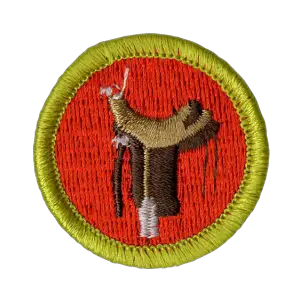
Horsemanship
Time: 2–4 weeks
Difficulty: Moderate
Setting: Stable, riding area
Best For: Scouts interested in horses, animals, riding
Hands-On Level: High
Eagle Required: No
The Horsemanship merit badge teaches Scouts how to care for and ride horses. They learn about grooming, feeding, and horse behavior. Scouts also learn how to use riding equipment safely.
To earn the badge, Scouts practice riding and controlling a horse. They learn how to mount, guide, and ride at different speeds. Scouts also learn how to keep both rider and horse safe. These activities help them build confidence and respect for horses.

Insect Study
Time: 2–4 weeks
Difficulty: Moderate
Setting: Outdoor observation, indoor study
Best For: Scouts interested in insects, nature, science
Hands-On Level: Moderate
Eagle Required: No
The Insect Study merit badge teaches Scouts about insects and their role in nature. They learn how insects help with pollination, soil health, and breaking down waste. Scouts also study insect body parts and life cycles.
To earn the badge, Scouts observe insects in their natural habitats. They identify species and record what they see. Scouts also learn how insects affect farming and ecosystems. These activities help them understand how insects support the environment.

Inventing
Time: 2–4 weeks
Difficulty: Moderate
Setting: Indoor, project work
Best For: Scouts interested in creating, problem solving, ideas
Hands-On Level: High
Eagle Required: No
The Inventing merit badge teaches Scouts how ideas become useful products. They learn how inventors find problems and create solutions. Scouts study how designs are tested and improved.
To earn the badge, Scouts create or improve an invention. They make plans, build a model, and explain how it works. Scouts also learn about patents and safety. These activities help them turn ideas into working solutions.

Journalism
Time: 2–4 weeks
Difficulty: Moderate
Setting: Indoor, newsroom, interviews
Best For: Scouts interested in writing, news, communication
Hands-On Level: Moderate
Eagle Required: No
The Journalism merit badge teaches Scouts how news is gathered and shared. They learn how to write clear stories, check facts, and conduct interviews. Scouts also see the difference between news, opinion, and features.
To earn the badge, Scouts write their own news pieces and report on events. They practice interviewing and organizing information. Scouts also learn about ethics and accuracy. These activities help them communicate clearly and report responsibly.

Kayaking
Time: 2–4 weeks
Difficulty: Moderate
Setting: Lakes, outdoor
Best For: Scouts interested in paddling, water activities
Hands-On Level: High
Eagle Required: No
The Kayaking merit badge teaches Scouts how to paddle and control a kayak safely. They learn basic strokes, steering, and balance. Scouts also learn how to stay safe on the water.
To earn the badge, Scouts practice kayaking skills under supervision. They learn how to launch, stop, and turn the kayak. Scouts also study safety, weather, and trip planning. These activities help them build confidence and skill on the water.

Landscape Architecture
Time: 2–4 weeks
Difficulty: Moderate
Setting: Indoor, outdoor site visits
Best For: Scouts interested in design, nature, planning
Hands-On Level: Moderate
Eagle Required: No
The Landscape Architecture merit badge teaches Scouts how outdoor spaces are planned and designed. They learn how plants, land, and water features are used to create useful and appealing areas. Scouts see how design affects how people use outdoor spaces.
To earn the badge, Scouts design their own outdoor space or improve an existing one. They create plans, choose plants, and think about how the space will be used. Scouts may visit parks or talk with professionals. These activities help them understand how planning shapes outdoor environments.

Law
Time: 2–4 weeks
Difficulty: Moderate
Setting: Indoor, courtroom visits
Best For: Scouts interested in law, justice, government
Hands-On Level: Low, Moderate
Eagle Required: No
The Law merit badge teaches Scouts how laws are made and used in society. They learn about courts, law enforcement, and how rights are protected. Scouts also see how laws help keep order and fairness.
To earn the badge, Scouts study legal cases and may visit a courtroom. They learn how laws are applied and how they can change. Scouts also discuss how citizens take part in the legal system. These activities help them understand how laws affect daily life.

Leatherwork
Time: 2–4 weeks
Difficulty: Easy, Moderate
Setting: Indoor, workshop
Best For: Scouts interested in crafts, hands-on projects
Hands-On Level: High
Eagle Required: No
The Leatherwork merit badge teaches Scouts how to make items from leather. They learn how to cut, shape, stamp, and dye leather. Scouts also learn about different types of leather and tools.
To earn the badge, Scouts complete several leather projects. They design patterns and create items like belts or pouches. Scouts also learn how to care for tools and materials. These activities help them build skill and create useful items.

Mammal Study
Time: 2–4 weeks
Difficulty: Moderate
Setting: Outdoor observation, indoor study
Best For: Scouts interested in animals, wildlife, nature
Hands-On Level: Moderate
Eagle Required: No
The Mammal Study merit badge teaches Scouts about mammals and how they live. They learn what makes mammals different from other animals and how they survive in their habitats. Scouts also study how mammals help keep ecosystems balanced.
To earn the badge, Scouts observe mammals in the wild or in managed settings. They record behavior and identify species. Scouts also learn about conservation and protecting habitats. These activities help them understand how mammals live and how to protect them.

Metalwork
Time: 2–4 weeks
Difficulty: Moderate
Setting: Workshop, forge
Best For: Scouts interested in tools, crafting, building
Hands-On Level: High
Eagle Required: No
The Metalwork merit badge teaches Scouts how to shape and work with metal. They learn about different metals and how heat and tools are used to form them. Scouts also study safety when working with metal.
To earn the badge, Scouts complete hands-on projects using methods like forging or casting. They design and create items from metal. Scouts also learn how to use tools safely and check their work. These activities help them build skill and understand how metal is used.

Mining in Society
Time: 2–4 weeks
Difficulty: Moderate
Setting: Indoor study, site visits
Best For: Scouts interested in earth science, industry, resources
Hands-On Level: Low, Moderate
Eagle Required: No
The Mining in Society merit badge teaches Scouts how minerals are taken from the earth and used. They learn about different mining methods and how materials become products. Scouts also see how mining supports daily life.
To earn the badge, Scouts study mining processes and safety. They may visit a mine, quarry, or museum. Scouts also learn how mining affects the environment and how land is restored. These activities help them understand how resources are used and managed.

Model Design and Building
Time: 2–4 weeks
Difficulty: Moderate
Setting: Indoor, workshop
Best For: Scouts interested in building, design, models
Hands-On Level: High
Eagle Required: No
The Model Design and Building merit badge teaches Scouts how to plan and build scale models. They learn how models are used to test ideas before full-size construction. Scouts also study how materials and measurements affect accuracy.
To earn the badge, Scouts design and build their own models. They use tools and materials to create accurate projects. Scouts also learn how models are used in fields like engineering and design. These activities help them understand how ideas are developed and tested.

Motorboating
Time: 2–4 weeks
Difficulty: Moderate
Setting: Lakes, waterways
Best For: Scouts interested in boating, water skills
Hands-On Level: High
Eagle Required: No
The Motorboating merit badge teaches Scouts how to operate a motorboat safely. They learn about boat parts, engines, and navigation rules. Scouts also study how to handle a boat in different conditions.
To earn the badge, Scouts practice starting, steering, and docking a boat. They learn safety rules, use life jackets, and follow boating laws. Scouts also study charts and water markers. These activities help them build confidence and operate a boat safely.

Moviemaking
Time: 2–4 weeks
Difficulty: Moderate
Setting: Indoor, filming locations
Best For: Scouts interested in video, storytelling, media
Hands-On Level: High
Eagle Required: No
The Moviemaking merit badge teaches Scouts how to tell stories using video. They learn about planning, filming, and editing. Scouts also study how sound, lighting, and camera angles affect a scene.
To earn the badge, Scouts create their own short film. They write a script, film scenes, and edit the final video. Scouts also learn about safety and copyright. These activities help them understand how films are made from start to finish.

Multisport
Time: 4 weeks
Difficulty: Challenging
Setting: Outdoor, pool, roads, trails
Best For: Scouts interested in fitness, endurance, competition
Hands-On Level: High
Eagle Required: No
The Multisport merit badge teaches Scouts how to train for events that combine activities like swimming, biking, and running. They learn about fitness, nutrition, and safety. Scouts also see how planning and steady training improve performance.
To earn the badge, Scouts follow a training plan over several weeks. They track progress and build endurance in each activity. Scouts also learn how to transition between events and prevent injuries. These activities help them build strength and confidence in endurance sports.

Music
Time: 2–4 weeks
Difficulty: Easy, Moderate
Setting: Indoor, performance spaces
Best For: Scouts interested in music, singing, instruments
Hands-On Level: Moderate
Eagle Required: No
The Music merit badge teaches Scouts how music is created and shared. They learn about rhythm, melody, and different styles. Scouts also see how music brings people together.
To earn the badge, Scouts take part in musical activities like singing or playing an instrument. They may attend a performance or study composers. Scouts also learn how music is recorded and shared. These activities help them understand how music works and how it is used.

Nature
Time: 2–4 weeks
Difficulty: Moderate
Setting: Outdoor observation, indoor study
Best For: Scouts interested in nature, ecosystems, wildlife
Hands-On Level: Moderate
Eagle Required: No
The Nature merit badge teaches Scouts how living things interact in the environment. They learn about plants, animals, insects, and how ecosystems work. Scouts see how weather and land affect life.
To earn the badge, Scouts observe nature and record what they find. They identify species and study how they depend on each other. Scouts also learn how people can protect or harm ecosystems. These activities help them understand how nature stays balanced.

Nuclear Science
Time: 2–4 weeks
Difficulty: Challenging
Setting: Indoor, lab, site visits
Best For: Scouts interested in science, physics, energy
Hands-On Level: Moderate
Eagle Required: No
The Nuclear Science merit badge teaches Scouts how atoms store and release energy. Scouts learn about the parts of an atom, radiation, and how nuclear power is used in medicine, energy, and research. They study how scientists handle materials safely and how nuclear science helps improve daily life. This badge helps Scouts understand the power and responsibility that come with scientific discovery.
To earn the Nuclear Science merit badge, Scouts complete experiments or models that show how atomic energy works. They learn about chain reactions, shielding, and how reactors create electricity. Scouts may visit a power plant or talk with professionals who work in nuclear fields. This badge encourages curiosity, safety, and respect for science while showing how knowledge can be used to benefit the world.

Oceanography
Time: 2–4 weeks
Difficulty: Moderate
Setting: Indoor study, waterfront observation
Best For: Scouts interested in oceans, marine life, science
Hands-On Level: Moderate
Eagle Required: No
The Oceanography merit badge teaches Scouts about the ocean and how it affects the planet. They learn about tides, waves, currents, and marine life. Scouts also see how the ocean influences weather and supports life.
To earn the badge, Scouts complete experiments and observations about ocean water and movement. They study topics like salinity and pressure. Scouts also learn how pollution affects marine life. These activities help them understand how the ocean works and why it is important to protect it.

Orienteering
Time: 2–4 weeks
Difficulty: Moderate
Setting: Outdoor, field courses
Best For: Scouts interested in navigation, hiking, problem solving
Hands-On Level: High
Eagle Required: No
The Orienteering merit badge teaches Scouts how to navigate using a map and compass. They learn how to read maps, measure distance, and follow directions. Scouts also practice staying aware of their surroundings.
To earn the badge, Scouts complete orienteering courses in different areas. They plan routes and find checkpoints. Scouts also learn how to organize a course for others. These activities help them build navigation skills and confidence outdoors.
Scouts who are interested in navigation merit badges might also want to look at Geocaching.

Painting
Time: 2–4 weeks
Difficulty: Easy, Moderate
Setting: Indoor, workshop
Best For: Scouts interested in painting, home projects, art
Hands-On Level: High
Eagle Required: No
The Painting merit badge teaches Scouts how to use paint for both art and practical projects. They learn about types of paint, tools, and surface preparation. Scouts also study how to apply paint evenly and safely.
To earn the badge, Scouts complete painting projects on different surfaces. They prepare areas, apply paint, and clean tools. Scouts also learn how to protect nearby spaces and store materials. These activities help them build skill and take pride in their work.

Pets
Time: 2–4 weeks
Difficulty: Easy, Moderate
Setting: Home, indoor, outdoor
Best For: Scouts interested in animals, pets, responsibility
Hands-On Level: High
Eagle Required: No
The Pets merit badge teaches Scouts how to care for animals responsibly. They learn about feeding, grooming, exercise, and health. Scouts also see how pets depend on people for daily care.
To earn the badge, Scouts care for a pet over time and track their responsibilities. They learn about proper housing, nutrition, and medical care. Scouts also explore how to keep pets safe and healthy. These activities help them build responsibility and respect for animals.

Photography
Time: 2–4 weeks
Difficulty: Easy, Moderate
Setting: Indoor, outdoor
Best For: Scouts interested in photography, creativity, storytelling
Hands-On Level: Moderate
Eagle Required: No
The Photography merit badge teaches Scouts how to take and share pictures that tell a story. They learn about lighting, composition, and how to use a camera. Scouts also see how images can communicate ideas.
To earn the badge, Scouts take photos based on different themes or tasks. They learn how to organize and edit images. Scouts also study how to share photos responsibly. These activities help them build skill and express ideas through photography.

Pioneering
Time: 2–4 weeks
Difficulty: Moderate, Challenging
Setting: Outdoor, campsite
Best For: Scouts interested in knots, building, outdoor skills
Hands-On Level: High
Eagle Required: No
The Pioneering merit badge teaches Scouts how to build structures using ropes and spars. They learn knots, lashings, and how to use tools safely. Scouts see how simple materials can be used to create useful items.
To earn the badge, Scouts build projects like towers, bridges, or camp gadgets. They plan designs and work as a team to construct them. Scouts also learn how to care for ropes and materials. These activities help them develop teamwork and practical building skills.

Plant Science
Time: 2–4 weeks
Difficulty: Moderate
Setting: Indoor study, outdoor growing areas
Best For: Scouts interested in plants, gardening, agriculture
Hands-On Level: Moderate
Eagle Required: No
The Plant Science merit badge teaches Scouts how plants grow and why they matter. They learn about plant parts, soil, water, and sunlight. Scouts also see how plants provide food and support life.
To earn the badge, Scouts grow and care for plants or study crops and trees. They learn about plant diseases and how to protect plants. Scouts may visit farms or gardens. These activities help them understand how plants are grown and used.

Plumbing
Time: 2–4 weeks
Difficulty: Moderate
Setting: Home, workshop
Best For: Scouts interested in tools, home repair, practical skills
Hands-On Level: High
Eagle Required: No
The Plumbing merit badge teaches Scouts how water systems work in homes. They learn about pipes, valves, and tools. Scouts also see how plumbing keeps water flowing safely.
To earn the badge, Scouts complete hands-on tasks like fixing leaks or replacing parts. They learn how to use tools safely and follow basic procedures. Scouts also study water conservation and system care. These activities help them build useful repair skills and understand how plumbing works.
Pottery
Time: 2–4 weeks
Difficulty: Moderate
Setting: Indoor, studio
Best For: Scouts interested in art, crafts, hands-on work
Hands-On Level: High
Eagle Required: No
The Pottery merit badge teaches Scouts how to shape and create items from clay. They learn about different types of clay and how to form and finish pieces. Scouts also study how firing and glazing make items strong and useful.
To earn the badge, Scouts make several pottery projects using hand-building or a wheel. They practice shaping, drying, and finishing techniques. Scouts also learn how to use tools safely and care for materials. These activities help them build skill and create finished pieces.

Programming
Time: 2–4 weeks
Difficulty: Moderate
Setting: Indoor, computer work
Best For: Scouts interested in coding, technology, problem solving
Hands-On Level: High
Eagle Required: No
The Programming merit badge teaches Scouts how to write code to solve problems. They learn about programming languages, logic, and how computers follow instructions. Scouts also see how software is used in daily life.
To earn the badge, Scouts write and test simple programs. They learn how to find and fix errors and organize their code. Scouts also explore how programs are planned and improved. These activities help them build problem-solving skills and understand how software works.

Public Health
Time: 2–4 weeks
Difficulty: Moderate
Setting: Indoor, community visits
Best For: Scouts interested in health, community safety, service
Hands-On Level: Low, Moderate
Eagle Required: No
The Public Health merit badge teaches Scouts how communities keep people healthy. They learn about disease prevention, sanitation, and hygiene. Scouts also see how clean water and waste control protect public safety.
To earn the badge, Scouts study how health systems prevent and respond to illness. They may visit health departments or learn about programs like vaccination. Scouts also explore how personal habits affect community health. These activities help them understand how to support a healthier community.

Public Speaking
Time: 2–4 weeks
Difficulty: Moderate
Setting: Indoor, group settings
Best For: Scouts interested in speaking, leadership, communication
Hands-On Level: High
Eagle Required: No
The Public Speaking merit badge teaches Scouts how to speak clearly in front of others. They learn how to organize ideas and deliver them with confidence. Scouts also practice using voice and body language to connect with an audience.
To earn the badge, Scouts prepare and give several speeches. They practice different types of speaking, such as introductions and storytelling. Scouts also learn how to handle nervousness and improve delivery. These activities help them build confidence and communication skills.

Pulp and Paper
Time: 2–4 weeks
Difficulty: Moderate
Setting: Indoor, site visits
Best For: Scouts interested in manufacturing, recycling, materials
Hands-On Level: Moderate
Eagle Required: No
The Pulp and Paper merit badge teaches Scouts how paper is made and used. They learn how trees are turned into pulp and then into paper products. Scouts also see how recycling helps save resources.
To earn the badge, Scouts study the papermaking process and may visit a mill or recycling center. They make paper by hand and learn about different types of paper. Scouts also learn how paper is used and managed. These activities help them understand how everyday materials are produced and reused.

Radio
Time: 2–4 weeks
Difficulty: Moderate
Setting: Indoor, radio station, field communication
Best For: Scouts interested in communication, technology, electronics
Hands-On Level: Moderate
Eagle Required: No
The Radio merit badge teaches Scouts how sound and information travel through radio waves. They learn about different types of radio communication and how signals are sent and received. Scouts also see how radio connects people over long distances.
To earn the badge, Scouts take part in listening and communication activities. They may visit a radio station or talk with radio operators. Scouts also learn about emergency communication and safety. These activities help them understand how radio is used in everyday life and service.

Railroading
Time: 2–4 weeks
Difficulty: Moderate
Setting: Indoor, rail sites
Best For: Scouts interested in trains, transportation, history
Hands-On Level: Moderate
Eagle Required: No
The Railroading merit badge teaches Scouts how trains operate and why they are important. They learn about locomotives, rail cars, and signaling systems. Scouts also study how railroads move people and goods.
To earn the badge, Scouts explore rail systems and how they are managed. They may visit rail facilities or work with model trains. Scouts also learn how routes and schedules are planned. These activities help them understand how railroads function and support transportation.

Reading
Time: 2–4 weeks
Difficulty: Easy
Setting: Indoor
Best For: Scouts interested in books, learning, quiet activities
Hands-On Level: Low
Eagle Required: No
The Reading merit badge teaches Scouts how reading can inform and entertain. They learn about different types of books and how reading builds knowledge. Scouts also see how reading can support learning in many areas.
To earn the badge, Scouts read a variety of materials and share what they learn. They may read to others or help at a library. Scouts also learn how libraries support communities. These activities help them build strong reading habits and a love of learning.

Reptile and Amphibian Study
Time: 2–4 weeks
Difficulty: Moderate
Setting: Outdoor observation, indoor study
Best For: Scouts interested in reptiles, amphibians, wildlife
Hands-On Level: Moderate
Eagle Required: No
The Reptile and Amphibian Study merit badge teaches Scouts about animals like snakes, lizards, frogs, and turtles. They learn how these animals live and adapt to their environments. Scouts also study how they help control pests and support ecosystems.
To earn the badge, Scouts observe reptiles and amphibians in nature or in managed settings. They identify species and record what they see. Scouts also learn about conservation and protecting habitats. These activities help them understand and respect these animals.

Rifle Shooting
Time: 2–4 weeks
Difficulty: Moderate
Setting: Outdoor range, shooting range
Best For: Scouts interested in shooting sports, focus, precision
Hands-On Level: High
Eagle Required: No
The Rifle Shooting merit badge teaches Scouts how to handle and shoot rifles safely. They learn about firearm parts, ammunition, and proper shooting positions. Scouts also study range safety and responsible use.
To earn the badge, Scouts practice shooting under qualified supervision. They work on aiming, breathing, and control to improve accuracy. Scouts also learn how to clean and care for a rifle. These activities help them build focus, discipline, and safe habits.

Robotics
Time: 2–4 weeks
Difficulty: Moderate
Setting: Indoor, workshop, lab
Best For: Scouts interested in robotics, coding, engineering
Hands-On Level: High
Eagle Required: No
The Robotics merit badge teaches Scouts how robots are designed and used. They learn about sensors, motors, and programming. Scouts also see how robots help in areas like medicine and manufacturing.
To earn the badge, Scouts design and build a robot. They test how it works and make improvements. Scouts also learn how to plan projects and solve problems. These activities help them understand how robotics combines building and programming.

Rowing
Time: 2–4 weeks
Difficulty: Moderate
Setting: Lakes, calm water
Best For: Scouts interested in boating, teamwork, fitness
Hands-On Level: High
Eagle Required: No
The Rowing merit badge teaches Scouts how to row a boat safely and effectively. They learn how to use oars, control movement, and work with others. Scouts also study safety on the water.
To earn the badge, Scouts practice rowing skills on calm water. They learn how to launch, steer, and dock a boat. Scouts also learn rescue methods and how to handle emergencies. These activities help them build coordination and confidence on the water.

Safety
Time: 2–4 weeks
Difficulty: Easy, Moderate
Setting: Home, school, community
Best For: Scouts interested in safety, prevention, awareness
Hands-On Level: Low, Moderate
Eagle Required: No
The Safety merit badge teaches Scouts how to prevent accidents and stay safe in daily life. They learn about hazards at home, school, and in the community. Scouts also study how awareness and planning reduce risks.
To earn the badge, Scouts inspect areas for hazards and create safety plans. They learn how to respond in emergencies and use safety equipment. Scouts also study rules and habits that prevent injuries. These activities help them make safer choices and protect others.

Salesmanship
Time: 2–4 weeks
Difficulty: Moderate
Setting: Indoor, real-world sales activities
Best For: Scouts interested in business, communication, entrepreneurship
Hands-On Level: Moderate
Eagle Required: No
The Salesmanship merit badge teaches Scouts how to sell products or ideas with honesty. They learn how to understand customer needs and present solutions clearly. Scouts also see how trust and good service lead to success.
To earn the badge, Scouts take part in sales activities and practice presenting products. They learn how to plan a sales approach and follow up with customers. Scouts also study pricing and promotion. These activities help them build confidence and communication skills.
Scouts who are interested in business related merit badges can also look into Entrepreneurship.

Scholarship
Time: 2–4 weeks
Difficulty: Easy, Moderate
Setting: School, home
Best For: Scouts interested in learning, school success, goal setting
Hands-On Level: Low, Moderate
Eagle Required: No
The Scholarship merit badge teaches Scouts how to improve their schoolwork and study habits. They learn how setting goals and managing time leads to better results. Scouts also see how education opens opportunities.
To earn the badge, Scouts set goals and track their progress in school. They may help others learn or take part in study groups. Scouts also talk with teachers about improving their work. These activities help them build strong habits and take responsibility for learning.

Scouting Heritage
Time: 2–4 weeks
Difficulty: Easy, Moderate
Setting: Indoor, museum visits
Best For: Scouts interested in history, Scouting traditions
Hands-On Level: Low, Moderate
Eagle Required: No
The Scouting Heritage merit badge teaches Scouts about the history of Scouting. They learn about the founders and how the program has grown over time. Scouts also study traditions, symbols, and values.
To earn the badge, Scouts explore past Scouting materials and experiences. They may visit museums or talk with experienced leaders. Scouts also share their own Scouting experiences. These activities help them understand how Scouting has developed and why it matters.

Scuba
Time: 2–4 weeks
Difficulty: Challenging
Setting: Pool, open water
Best For: Scouts interested in diving, water skills, adventure
Hands-On Level: High
Requires Camping/Travel: Yes
Eagle Required: No
The Scuba merit badge teaches Scouts how to dive safely using scuba equipment. They learn about gear, breathing techniques, and how water pressure affects the body. Scouts also study dive planning and safety.
To earn the badge, Scouts complete a certified scuba training course. They practice skills like clearing a mask and moving underwater. Scouts also learn how to handle equipment and follow safety rules. These activities help them explore underwater while staying safe.

Sculpture
Time: 2–4 weeks
Difficulty: Moderate
Setting: Indoor, studio
Best For: Scouts interested in art, creating, hands-on work
Hands-On Level: High
Eagle Required: No
The Sculpture merit badge teaches Scouts how to create three-dimensional art. They learn how to shape materials like clay, wood, or other media. Scouts also study how form and texture affect a piece.
To earn the badge, Scouts design and complete sculpture projects. They use tools and materials to build their work. Scouts also learn how to plan and improve their designs. These activities help them develop creativity and hands-on skills.
There is also an Art merit badge which concentrates on two dimensional art.

Search and Rescue
Time: 2–4 weeks
Difficulty: Moderate
Setting: Outdoor, field training
Best For: Scouts interested in emergency response, teamwork, helping others
Hands-On Level: High
Eagle Required: No
The Search and Rescue merit badge teaches Scouts how to find and help people who are lost or in danger. They learn how search teams work and how to stay safe during a search. Scouts also study maps, communication, and planning.
To earn the badge, Scouts take part in training or practice scenarios. They learn how to organize a search and use equipment. Scouts also practice first aid and safety skills. These activities help them work as a team and respond in emergencies.

Shotgun Shooting
Time: 2–4 weeks
Difficulty: Moderate
Setting: Outdoor range, shooting range
Best For: Scouts interested in shooting sports, focus, precision
Hands-On Level: High
Eagle Required: No
The Shotgun Shooting merit badge teaches Scouts how to handle and shoot a shotgun safely. They learn about parts of the shotgun, ammunition, and proper shooting stance. Scouts also study range safety and responsible use.
To earn the badge, Scouts practice shooting at moving targets under supervision. They work on aim, timing, and control. Scouts also learn how to clean and care for a shotgun. These activities help them build focus, discipline, and safe habits.

Signs, Signals, and Codes
Time: 2–4 weeks
Difficulty: Easy, Moderate
Setting: Indoor, outdoor practice
Best For: Scouts interested in communication, puzzles, signaling
Hands-On Level: Moderate
Eagle Required: No
The Signs, Signals, and Codes merit badge teaches Scouts how to communicate without spoken words. They learn about hand signals, symbols, and different types of codes. Scouts also study how these methods are used for safety and communication.
To earn the badge, Scouts practice sending and receiving messages using different methods. They may use flags, lights, or coded messages. Scouts also create and decode their own codes. These activities help them build communication and problem-solving skills.

Skating
Time: 2–4 weeks
Difficulty: Easy, Moderate
Setting: Ice rink, skate park, indoor, outdoor
Best For: Scouts interested in skating or skateboarding, fitness, sports
Hands-On Level: High
Eagle Required: No
The Skating merit badge teaches Scouts how to skate safely and improve their skills. They learn balance, control, and how to move on different surfaces. Scouts also study safety rules and proper gear.
To earn the badge, Scouts practice skating and work on skills like stopping and turning. They learn how to stay safe and avoid injuries. Scouts also track their progress as they improve. These activities help them build confidence and enjoy skating.

Small Boat Sailing
Time: 2–4 weeks
Difficulty: Moderate
Setting: Lakes, calm waters
Best For: Scouts interested in sailing, water skills, teamwork
Hands-On Level: High
Eagle Required: No
The Small Boat Sailing merit badge teaches Scouts how to sail a boat using wind power. They learn about sailboat parts, wind direction, and how to control speed and direction. Scouts also study safety on the water.
To earn the badge, Scouts practice sailing skills on the water. They learn how to rig a boat, steer, and recover from a capsize. Scouts also study weather and environmental care. These activities help them build confidence and skill in sailing.

Snow Sports
Time: 2–4 weeks
Difficulty: Moderate
Setting: Snow-covered slopes, outdoor
Best For: Scouts interested in skiing, snowboarding, winter sports
Hands-On Level: High
Eagle Required: No
The Snow Sports merit badge teaches Scouts how to enjoy winter activities safely and responsibly. Scouts can choose to learn skiing, snowboarding, or cross-country skiing. They study how to dress for cold weather, use equipment properly, and stay safe on the slopes or trails. This badge helps Scouts build balance, strength, and confidence while appreciating the beauty of winter outdoors.
To earn the Snow Sports merit badge, Scouts practice their chosen sport under proper supervision. They learn how to control speed, turn, and stop safely. Scouts also study trail or slope signs, first aid for cold injuries, and how to care for their gear. This badge encourages safety, preparation, and respect for nature while helping Scouts discover fun ways to stay active in winter.

Soil and Water Conservation
Time: 2–4 weeks
Difficulty: Moderate
Setting: Outdoor, field observation
Best For: Scouts interested in environment, conservation, land use
Hands-On Level: Moderate
Eagle Required: No
The Soil and Water Conservation merit badge teaches Scouts how land and water are protected. They learn how soil erosion and water pollution affect the environment. Scouts also study how conservation practices help keep land and water healthy.
To earn the badge, Scouts observe soil and water conditions in their area. They learn about methods like planting, drainage, and land management. Scouts may take part in conservation projects. These activities help them understand how to protect natural resources.

Space Exploration
Time: 2–4 weeks
Difficulty: Moderate
Setting: Indoor, outdoor launch area
Best For: Scouts interested in space, rockets, science
Hands-On Level: High
Eagle Required: No
The Space Exploration merit badge teaches Scouts how rockets and spacecraft work. They learn about space travel, satellites, and missions. Scouts also see how science and engineering are used in space programs.
To earn the badge, Scouts design, build, and launch a model rocket. They learn how to follow safety rules and track the flight. Scouts also study how space missions are planned and carried out. These activities help them understand how humans explore space.

Sports
Time: Several months
Difficulty: Easy, Moderate
Setting: Fields, courts, gym
Best For: Scouts interested in sports, fitness, teamwork
Hands-On Level: High
Eagle Required: No
The Sports merit badge teaches Scouts how to take part in different sports safely. They learn rules, skills, and how to improve performance. Scouts also see how teamwork and effort affect results.
To earn the badge, Scouts practice skills in one or more sports. They track their progress and work to improve. Scouts also learn about sportsmanship and injury prevention. These activities help them build fitness and enjoy playing sports.
Scouts who enjoy merit badges related to fitness can also look into the Athletics badge.

Stamp Collecting
Time: 2–4 weeks
Difficulty: Easy, Moderate
Setting: Indoor
Best For: Scouts interested in collecting, history, detail work
Hands-On Level: Low, Moderate
Eagle Required: No
The Stamp Collecting merit badge teaches Scouts about stamps and what they show about history and culture. They learn how stamps are designed and used. Scouts also study stamps from different countries and time periods.
To earn the badge, Scouts build and organize a stamp collection. They learn how to handle and store stamps properly. Scouts also study topics like printing methods and stamp values. These activities help them build observation skills and learn through collecting.
There are also merit badges for Collections and Coin Collecting.

Surveying
Time: 2–4 weeks
Difficulty: Moderate
Setting: Outdoor, fieldwork
Best For: Scouts interested in measuring, mapping, engineering
Hands-On Level: High
Eagle Required: No
The Surveying merit badge teaches Scouts how land is measured and mapped. They learn how to use tools to find distances, angles, and positions. Scouts also see how surveying is used in building and planning.
To earn the badge, Scouts complete fieldwork using surveying tools. They measure land and record data. Scouts also learn how to read maps and create simple surveys. These activities help them understand how land is measured and used.

Textile
Time: 2–4 weeks
Difficulty: Moderate
Setting: Indoor, workshop
Best For: Scouts interested in fabrics, crafts, design
Hands-On Level: Moderate
Eagle Required: No
The Textile merit badge teaches Scouts how fabrics are made and used. They learn about fibers, weaving, and different types of cloth. Scouts also see how textiles are used in clothing and other products.
To earn the badge, Scouts complete projects using fabric or fibers. They may sew, weave, or study how textiles are produced. Scouts also learn about care, repair, and uses of different materials. These activities help them understand how textiles are created and used.
Scouts who enjoy merit badges like this might also want to check out Pulp and Paper.

Theater
Time: 2–4 weeks
Difficulty: Easy, Moderate
Setting: Indoor, stage, rehearsal space
Best For: Scouts interested in acting, performance, storytelling
Hands-On Level: High
Eagle Required: No
The Theater merit badge teaches Scouts how plays are created and performed. They learn about acting, stage work, and how stories are brought to life. Scouts also study roles like directing and set design.
To earn the badge, Scouts take part in a performance or help behind the scenes. They practice lines, movement, and timing. Scouts also learn how lighting, sound, and sets support a show. These activities help them build confidence and work as a team.

Traffic Safety
Time: 2–4 weeks
Difficulty: Easy, Moderate
Setting: Indoor, community observation
Best For: Scouts interested in driving, safety, rules of the road
Hands-On Level: Low, Moderate
Eagle Required: No
The Traffic Safety merit badge teaches Scouts how to stay safe on the road. They learn about traffic laws, signs, and safe driving habits. Scouts also study how drivers, cyclists, and pedestrians share the road.
To earn the badge, Scouts observe traffic patterns and identify hazards. They learn how to make safe choices as drivers or passengers. Scouts also study accident prevention and safe behavior. These activities help them understand how to reduce risks on the road.

Truck Transportation
Time: 2–4 weeks
Difficulty: Moderate
Setting: Indoor, site visits
Best For: Scouts interested in transportation, logistics, careers
Hands-On Level: Low, Moderate
Eagle Required: No
The Truck Transportation merit badge teaches Scouts how goods are moved by trucks. They learn about routes, schedules, and how drivers follow safety rules. Scouts also see how trucking supports businesses and daily life.
To earn the badge, Scouts study how trucking companies operate. They may visit a terminal or talk with drivers. Scouts also learn about laws, safety, and planning deliveries. These activities help them understand how products are transported.

Veterinary Medicine
Time: 2–4 weeks
Difficulty: Moderate
Setting: Indoor, veterinary clinic visits
Best For: Scouts interested in animals, health care, careers
Hands-On Level: Low, Moderate
Eagle Required: No
The Veterinary Medicine merit badge teaches Scouts how animals are cared for when they are sick or injured. They learn about common treatments, tools, and how vets diagnose problems. Scouts also see how animal health affects people and communities.
To earn the badge, Scouts learn from a veterinarian or visit a clinic. They study how animals are examined and treated. Scouts also explore careers in animal care. These activities help them understand how to keep animals healthy.

Water Sports
Time: 2–4 weeks
Difficulty: Moderate
Setting: Lakes, open water
Best For: Scouts interested in water activities, fitness, adventure
Hands-On Level: High
Eagle Required: No
The Water Sports merit badge teaches Scouts how to take part in activities like water skiing or wakeboarding. They learn how to start, balance, and control movement on the water. Scouts also study safety rules and equipment.
To earn the badge, Scouts practice skills behind a boat under supervision. They learn how to communicate with the driver and follow safety procedures. Scouts also study conditions like waves and weather. These activities help them build confidence and enjoy water sports safely.

Weather
Time: 2–4 weeks
Difficulty: Moderate
Setting: Outdoor observation, indoor study
Best For: Scouts interested in weather, science, forecasting
Hands-On Level: Moderate
Eagle Required: No
The Weather merit badge teaches Scouts how the atmosphere works and how weather forms. They learn about clouds, storms, and how conditions change. Scouts also study how weather affects daily life.
To earn the badge, Scouts observe and record weather over time. They learn how to read maps and forecasts. Scouts also study severe weather and safety. These activities help them understand how to predict and respond to weather.

Welding
Time: 2–4 weeks
Difficulty: Challenging
Setting: Workshop, lab
Best For: Scouts interested in metalwork, tools, building
Hands-On Level: High
Eagle Required: No
The Welding merit badge teaches Scouts how to join metal using heat and equipment. They learn about different welding methods and safety rules. Scouts also see how welding is used in construction and manufacturing.
To earn the badge, Scouts practice welding techniques under supervision. They create metal projects and learn how to prepare materials. Scouts also study safety gear and procedures. These activities help them build skill and understand how welding works.

Whitewater
Time: 2–4 weeks
Difficulty: Challenging
Setting: Rivers, moving water
Best For: Scouts interested in paddling, adventure, water safety
Hands-On Level: High
Eagle Required: No
The Whitewater merit badge teaches Scouts how to travel safely on fast-moving water. They learn how to read river features and handle rapids. Scouts also study safety, rescue methods, and teamwork.
To earn the badge, Scouts practice paddling skills on moving water under supervision. They learn how to control a boat and respond to changing conditions. Scouts also study equipment and safety procedures. These activities help them build confidence and skill in whitewater environments.

Wilderness Survival
Time: 1–2 weeks
Difficulty: Challenging
Setting: Outdoor, backcountry
Best For: Scouts interested in survival skills, camping, outdoor adventure
Hands-On Level: High
Requires Camping/Travel: Yes
Eagle Required: No
The Wilderness Survival merit badge teaches Scouts how to stay safe when lost or in an emergency outdoors. They learn how to find shelter, water, and food. Scouts also study how to signal for help and stay calm.
To earn the badge, Scouts practice survival skills in a controlled setting. They build shelters and learn how to protect themselves from weather. Scouts also study what to carry and how to prepare for emergencies. These activities help them build confidence and handle outdoor challenges.

Wildland Fire Management Merit Badge
Time: 1 – 2 weeks
Difficulty: Challenging
Setting: Indoor, outdoor, field activities
Best For: Scouts interested in wildfire, forestry, firefighting, conservation
Hands-On Level: High
Eagle Required: No
The Wildland Fire Management merit badge introduces Scouts to wildfire behavior, prevention, safety, and suppression. Scouts study how weather, terrain, and fuel affect fire. They also explore prescribed fire, firefighter safety, tools, and ways communities can reduce wildfire risk.
The badge includes research, discussion, diagrams, demonstrations, and a practical activity. Scouts also study a historic wildfire and explore a career related to wildland fire management. The Wildland Fire Management merit badge is a good fit for Scouts interested in conservation, forestry, weather, firefighting, and outdoor skills.

Wood Carving
Time: 2–4 weeks
Difficulty: Easy, Moderate
Setting: Indoor, workshop
Best For: Scouts interested in crafts, carving, hands-on work
Hands-On Level: High
Eagle Required: No
The Wood Carving merit badge teaches Scouts how to shape wood using carving tools. They learn how to use knives safely and how to make clean cuts. Scouts also study different types of wood and simple designs.
To earn the badge, Scouts complete carving projects using basic techniques. They practice shaping and smoothing wood to create useful or decorative items. Scouts also learn how to care for tools and keep them sharp. These activities help them build skill and patience.
Scouts who like merit badges like this might also like the Woodwork badge.

Woodwork
Time: 2–4 weeks
Difficulty: Moderate
Setting: Workshop, indoor
Best For: Scouts interested in building, tools, woodworking
Hands-On Level: High
Eagle Required: No
The Woodwork merit badge teaches Scouts how to build items from wood using tools and plans. They learn how to measure, cut, and join pieces. Scouts also study safety and proper tool use.
To earn the badge, Scouts complete woodworking projects from start to finish. They follow plans, use tools, and check their work. Scouts also learn about different types of wood and finishes. These activities help them build practical skills and confidence.
Frequently Asked Questions about Merit Badges
What is a merit badge?
A merit badge is an award Scouts earn by learning about a subject and completing certain requirements. Each badge teaches a new skill or idea, such as camping, cooking, or first aid.
Who can earn merit badges?
Any registered Scouts BSA member can earn merit badges. Scouts can start working on them once they join a troop and work with a merit badge counselor.
What is a merit badge counselor?
A merit badge counselor is an adult who helps Scouts learn about a badge topic. Counselors guide Scouts, check their progress, and approve completed requirements.
How do I find a merit badge counselor?
To find a merit badge counselor, talk to your Scoutmaster or another troop leader. They can give you a list of approved counselors for your badge. You can also ask your council or district for names.
How many merit badges are there?
There are over 135 merit badges covering many topics, including outdoor skills, science, the arts, and careers. New badges are added from time to time.
Do all merit badges count toward Eagle Scout?
Yes, all merit badges count toward rank advancement, but only 14 are required for Eagle Scout. The rest are electives chosen by the Scout.
Can I work on more than one merit badge at a time?
Yes, Scouts can work on several badges at once. It helps to stay organized and keep track of progress on each badge.
Do I have to finish a merit badge in a certain time?
No, there is no time limit as long as the Scout is still active in the program. Work can be done at meetings, camps, or on their own.
Where do I wear my merit badges?
Merit badges are sewn on a sash worn over the right shoulder of the uniform. The sash is usually worn at courts of honor or formal Scout events.
Badges, Belts, and Bragging Rights
Merit badges are a big part of the Scouting adventure. Each one gives Scouts a chance to explore new interests and gain real-world skills. Some badges teach outdoor survival or first aid. Others open doors to hobbies, science, or even future careers. Along the way, Scouts learn to set goals, stay focused, and take pride in what they accomplish.
Working toward a badge is more than just checking off requirements. It means asking questions, trying new things, and sometimes making mistakes. It also means learning from those mistakes and keeping a good attitude. Every badge earned shows growth, effort, and curiosity.
In the end, merit badges are not just pieces of cloth. They are stories of learning, teamwork, and adventure. Each one reminds a Scout that with effort and curiosity, they can achieve great things and have fun doing it.

Leave a Reply