
Scouts BSA Youth Leadership Positions

Youth leadership is a key part of the Scouts BSA program. These roles help Scouts learn simple but important skills. They learn how to plan, guide, and support others. Every position offers a chance to grow. Some roles are large, and some are small. All of them help the troop run well and give Scouts a chance to learn steady habits that will stay with them for life.
Leadership in Scouts BSA works best when everyone takes part. A troop needs many hands to plan meetings, manage gear, help younger members, and stay organized. Each Scout who accepts a role helps the whole troop. They learn to follow through. They learn to speak up. They learn to listen. These skills help them at home, at school, and in their future work.

The leadership roles also help Scouts work together as a team. No one leads alone. Each Scout learns that their work supports another person’s work. This encourages patience and respect. It teaches them to keep trying even when plans change. The program gives real practice in simple leadership. This helps them grow in confidence and makes the troop stronger.
- Senior Patrol Leader
- Assistant Senior Patrol Leader
- Patrol Leader
- Assistant Patrol Leader (does not fulfill leadership requirement for Star, Life, or Eagle)
- Troop Guide
- Order of the Arrow Troop Representative
- Den Chief
- Scribe
- Librarian
- Troop Historian
- Quartermaster
- Junior Assistant Scoutmaster
- Chaplain Aide
- Instructor
- Webmaster
- Outdoor Ethics Guide
- Bugler (does not fulfill leadership requirement for Eagle)
Senior Patrol Leader: Guiding the Whole Troop

The senior patrol leader helps the troop run well. This Scout leads meetings and helps keep activities on track. The role asks for calm choices and steady direction. The senior patrol leader works with youth and adults to guide the troop forward.
This Scout also helps the patrol leaders. They listen to concerns and help solve small problems before they grow. They make sure everyone feels included. They also help newer Scouts understand how the troop works.
The senior patrol leader sets the tone at meetings and campouts. They show respect and patience. They help the troop follow the Scout Oath and Law. They learn strong skills in planning and teamwork. These skills help them in many parts of life.
Assistant Senior Patrol Leader: Helping the Leader Lead

The assistant senior patrol leader steps in when needed. This Scout helps the senior patrol leader during meetings and outings. They learn how to guide the troop. They offer help where it is needed most.
They also support the other youth leaders. They make sure tasks are done on time. They check on patrol leaders and ask how things are going. They offer help to keep things running smoothly.
This role builds confidence. The assistant senior patrol leader learns how to lead without taking over. They learn how to support others in a calm and steady way. This helps the whole troop work as one team.
Patrol Leader: Leading a Small Team

The patrol leader guides a small group of Scouts. This Scout helps the patrol plan meals, set goals, and stay organized. They help everyone take part in activities. They encourage teamwork and respect.
The patrol leader speaks for the patrol at troop meetings. They carry ideas and concerns to the senior patrol leader. They help the patrol stay informed. They also help keep the patrol safe and ready for events.
This role teaches good habits. The patrol leader learns to listen, plan, and guide a group of friends. They learn how to stay calm when things get busy. Their leadership helps the patrol enjoy the program.
Assistant Patrol Leader: Supporting the Patrol

The assistant patrol leader offers steady help to the patrol leader. They step in when the patrol leader is absent. They help keep the patrol organized and ready for the next meeting or outing.
This Scout helps younger members learn skills. They check in with patrolmates and make sure everyone understands plans. They offer calm support when plans change or when tasks pile up. Their help keeps the patrol steady.
Even though this role does not count for rank leadership, it still teaches important skills. The assistant patrol leader learns teamwork, patience, and simple planning. These skills help them prepare for future leadership roles.
Troop Guide: Helping Younger Scouts

The troop guide helps new Scouts join the troop with confidence. They show the new members how meetings work. They help them learn basic skills. They answer questions and stay patient as the new Scouts settle in.
This Scout also works with the adult new-Scout leaders. They help plan simple activities for the new members. They watch for any confusion and offer calm direction. They help the new Scouts feel welcome.
The troop guide sets a friendly example. Their help makes the first year easier for new Scouts. They learn patience, kindness, and communication. These skills stay with them long after the role ends.
Order of the Arrow Troop Representative: Connecting the Troop

The OA representative helps the troop stay connected with the lodge. This Scout shares news about service, events, and meetings. They encourage OA members to stay active. They help promote service and cheerful work.
They also work with the senior patrol leader. They offer ideas for service in the troop. They help the troop understand the purpose of the OA. They share ways to support the goals of the lodge.
This role helps build strong habits. The OA representative learns how to share information clearly. They grow in service and kindness. Their work helps the troop live out the spirit of cheerful service.
Read more about the Order of the Arrow Troop Representative here.
Den Chief: Helping Cub Scouts Grow

The den chief works with a Cub Scout den. They help the den leader with meetings. They show simple skills and play games with the Cub Scouts. They offer a friendly example for younger children.
This Scout also helps with ceremonies and pack events. They guide Cub Scouts during activities. They help them stay focused and safe. They encourage Cub Scouts to try new things with confidence.
A den chief learns patience and leadership in a new setting. They learn how to guide younger children in calm and simple ways. This role helps them grow as a leader and prepares them for troop roles later.
Scribe: Keeping Track of Information

The scribe helps the troop stay organized. They take notes at meetings. They keep track of attendance and needed information. Their work helps the troop plan well.
This Scout also works with the patrol scribes. They check that records are complete. They share needed details with the senior patrol leader. They help leaders stay informed about troop plans.
The scribe learns careful habits. They learn to listen and record information clearly. Their work helps the troop stay on track and ready for events.
Librarian: Caring for Troop Resources

The librarian takes care of troop books and merit badge pamphlets. They keep the library clean and organized. They sign items out and follow up when things are returned.
This Scout helps patrol leaders and new Scouts find what they need. They make sure resources are easy to use. They help track damaged or missing items. Their work helps everyone learn new skills.
The librarian learns responsibility and simple record keeping. They help others find tools for learning. Their steady work supports the whole troop.
Troop Historian: Saving the Stories

The historian collects photos, notes, and records from troop events. They help preserve memories of past campouts, service, and adventures. Their work helps the troop remember its growth.
They may take photos at events or ask others to share them. They help build displays for courts of honor. They keep records neat and easy to use. Their work brings the troop’s story to life.
The historian learns organization and simple storytelling. This role helps them see how shared experiences build a strong troop.
Quartermaster: Managing Gear

The quartermaster takes care of the troop gear. They check tents, stoves, and other equipment. They make sure items are clean and ready for the next outing. They help track damaged items.
This Scout also works with patrol quartermasters. They guide them on storing and using gear. They help keep the gear room tidy. Their work helps the troop enjoy safe outings.
The quartermaster learns responsibility and simple inventory skills. They learn to care for shared items. Their steady work helps the troop prepare for adventures.
Junior Assistant Scoutmaster: Serving in a New Way

A junior assistant scoutmaster supports the adult leaders. This Scout must be at least sixteen. They help guide younger Scouts. They offer support during meetings and campouts.
They may help plan events or coach new youth leaders. They help keep the troop safe and steady. They offer calm guidance without taking over youth roles.
This role helps older Scouts grow in quiet leadership. They learn how adults plan and guide the program. They build teamwork and maturity.
Chaplain Aide: Supporting Faith in the Troop
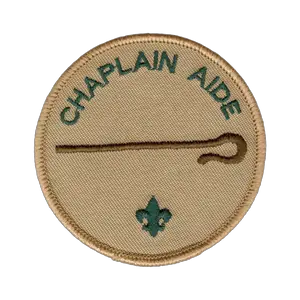
The chaplain aide helps the troop with simple prayer and reflections. They help plan services for campouts. They remind Scouts of the duty to God in the Scout Oath.
This Scout also supports respect for all faiths. They help create a calm space for worship. They work with adults to plan moments of quiet prayer or reflection during activities.
The chaplain aide learns kindness and respect. Their steady work helps build a peaceful troop spirit.
Instructor: Teaching Skills

The instructor teaches Scout skills to others. This Scout knows basic outdoor and troop skills. They help new members learn simple tasks. They stay patient and calm during teaching.
They may teach knots, first aid, cooking, or map skills. They help set up teaching areas at meetings. They also help patrol leaders support younger Scouts. Their teaching helps build strong patrols.
The instructor learns how to break tasks into simple steps. They learn how to guide others with steady patience.
Webmaster: Managing Online Tools

The webmaster helps keep the troop’s online tools updated. They post simple information. They help share meeting times, events, and reminders. Their work helps families stay informed.
This Scout also checks for errors. They keep the site clear and easy to read. They help the troop communicate in a simple and safe way. They follow the guidelines for youth protection online.
The webmaster learns communication and basic planning. Their help supports the whole troop.
Outdoor Ethics Guide: Caring for Nature

The outdoor ethics guide teaches the troop how to care for the outdoors. They help others understand the principles of outdoor ethics. They remind the troop to protect trails and campsites.
This Scout also helps plan outings that respect nature. They speak up when they see damage or unsafe actions. They help the troop learn good habits in camp and on hikes.
They learn calm leadership and steady care for the earth. Their work helps the troop enjoy nature with respect.
Bugler: Sounding the Calls

The bugler plays simple calls at troop events. These calls help signal times for waking, meals, and meetings. Their music helps the troop stay on schedule.
This Scout practices often. They learn timing and rhythm. They help make campouts feel organized and smooth. Even though this role does not count for Eagle leadership, it still helps the troop.
The bugler learns dedication and simple planning. Their music brings order and a sense of tradition to troop life.
Related Resources for Scouts BSA Youth Leadership Positions


Scouting’s Teaching EDGE (BSA Edge Method)
How Can You Have a Youth Led Troop When the Scouts Are All New?
Patrol Activities in a Scouts BSA Troop
Registering a Junior Assistant Scoutmaster
Frequently Asked Questions
What is a youth leadership position in Scouts BSA?
A youth leadership position is a job a Scout takes to help the troop run well. These jobs include guiding meetings, teaching skills, caring for gear, or helping younger Scouts. Each role teaches responsibility. It also gives a Scout a chance to learn how to plan and work with others. These jobs help the troop stay organized and safe.
Why are these positions important?
These positions help the troop work as a team. A troop needs many hands to guide meetings, plan outings, and support new members. When Scouts take these roles, they learn skills that help them in daily life. They learn to listen, stay calm, and follow through. These simple habits help the troop and help the Scout grow.
Do all positions count for Star, Life, and Eagle rank?
Most positions count for leadership requirements, but not all. Some roles support the troop but do not count for certain ranks. This includes assistant patrol leader and bugler. These jobs still offer real learning. They help the troop and teach useful skills, even if they do not meet the leadership requirement.
How does a Scout get one of these roles?
A Scout usually talks with the senior patrol leader or Scoutmaster. Some roles are elected, and some are appointed. The Scout should choose a role that fits their skills and interests. They should also be ready to show steady effort. The troop relies on each leader to follow through and help others.
What if a Scout is nervous about leading?
It is normal to feel nervous. Leadership takes practice. A Scout can start with a smaller job. They can ask for help from older Scouts or adults. With time, they grow more comfortable. Even small steps teach good habits. Each Scout learns at their own pace.
How long does a Scout serve in a position?
Most troops set a term, often six months. This gives each Scout time to learn and grow. It also gives other Scouts a chance to lead. A Scout can serve again if the troop agrees. The goal is steady practice, not perfection.
What skills do Scouts learn from these roles?
Scouts learn planning, patience, and simple communication. They learn how to work with others and stay calm when plans change. They also learn responsibility. These skills help them at school, home, and in future jobs. Each role teaches something a little different, but all support steady growth.
Finding Your Place in the Troop
Youth leadership in Scouts BSA gives Scouts a chance to learn skills they will use for many years. These roles help them understand how steady planning and simple teamwork make a big difference. They learn that good leadership does not need fancy words or loud actions. It grows from clear steps, calm choices, and steady effort. The troop becomes stronger when each Scout takes their part seriously.
These positions also help Scouts discover new strengths. Some learn they enjoy teaching. Others enjoy planning. Some discover they are patient and calm when guiding younger Scouts. These moments help them see their own growth. They learn that leadership is not only something they do for a rank. It is something they can carry with them and use in many areas of life.
Each role also helps the troop stay active and safe. When Scouts lead well, campouts run smoothly. Meetings stay organized. New members feel welcome. Older Scouts feel trusted. These simple things build a troop where everyone can grow. Leadership becomes a shared task, not a burden on a few people. This shared work helps the troop stay strong for years.
Leave a Reply